You Won’t Believe What I Found Shopping Near Dublin’s Most Scenic Spots
Dublin isn’t just about pint-filled pubs and historic streets—its scenic backdrops hide some of the best shopping experiences you’ve never heard of. I wandered from cobbled lanes to coastal cliffs, discovering charming boutiques, local markets, and design studios tucked beside iconic views. What makes Dublin special is how effortlessly beauty and commerce blend—imagine buying handmade wool near a seaside vista or sipping coffee above a bustling square. This is shopping with soul, surrounded by sights that take your breath away. Each retail stop feels less like a transaction and more like a moment of connection—with place, with craft, and with the quiet rhythm of Irish life. In a world where travel often means rushing from landmark to landmark, Dublin offers a different pace: one where shopping becomes part of the scenery, and every purchase carries the echo of a view, a conversation, or a sunlit alleyway.
The Allure of Scenic Shopping in Dublin
Shopping in Dublin is not confined to sterile malls or crowded high streets. Instead, it unfolds within a living landscape where every storefront opens onto a story, and every stroll offers both visual and tactile rewards. The concept of scenic shopping—combining retail with natural or architectural beauty—is quietly transforming how visitors experience the city. Unlike conventional shopping districts that prioritize convenience over charm, Dublin’s most memorable retail experiences are woven into its most picturesque settings. Whether nestled along a tree-lined avenue, perched above a tranquil harbor, or tucked behind centuries-old stone walls, these shops invite travelers to slow down and engage.
Psychological studies have long shown that environment influences consumer behavior. A 2019 report from the Journal of Environmental Psychology found that natural elements in commercial spaces increase dwell time by up to 40 percent and improve emotional recall of purchases. In Dublin, this principle comes alive organically. The presence of greenery, water, or historic architecture doesn’t just enhance the mood—it deepens the meaning of what we buy. A hand-knit scarf purchased beside a windswept cliff feels more valuable because it’s tied to the moment, the weather, the sound of waves below. It becomes a sensory artifact, not just a souvenir.
Moreover, scenic shopping supports mindful consumption. When surrounded by beauty, shoppers are more likely to make intentional choices—favoring quality over quantity, craftsmanship over convenience. Dublin’s independent retailers understand this instinctively. They curate their spaces to reflect the character of their surroundings, using locally sourced materials, natural lighting, and displays that echo the colors of the Irish landscape. This alignment between place and product fosters authenticity, making each visit feel personal and purposeful. It’s no wonder that many visitors leave not with bags full of generic trinkets, but with carefully chosen items that resonate long after the trip ends.
Temple Bar: Cobblestones, Culture, and Curated Finds
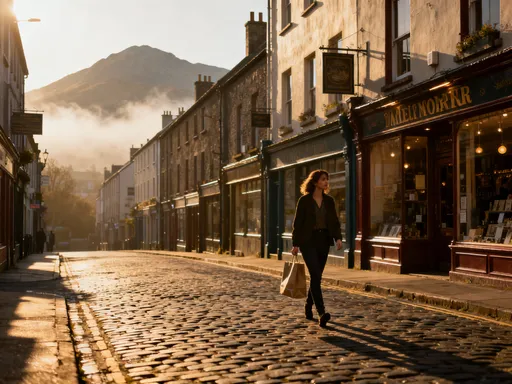
No district in Dublin captures the spirit of scenic shopping quite like Temple Bar. Known for its cobbled streets, colorful facades, and lively atmosphere, this neighborhood is more than a tourist hotspot—it’s a cultural hub where art, music, and retail coexist in harmonious rhythm. As you walk through its narrow lanes, the scent of fresh bread mingles with the sound of fiddles drifting from open pub doors. But beyond the well-known attractions lie hidden retail treasures waiting to be discovered.
The heart of Temple Bar’s shopping scene is Temple Bar Square, where weekend markets bring together local artisans, jewelers, and textile makers. These pop-up stalls offer everything from hand-stamped leather journals to delicate silver pendants inspired by Celtic knotwork. Unlike mass-produced souvenirs, these items reflect the care and creativity of individual craftsmen. One standout vendor specializes in upcycled wool garments, transforming vintage Irish knitwear into modern, wearable art. Another features pottery glazed with minerals sourced from the Wicklow Mountains, giving each piece a unique earthy tone that mirrors the surrounding countryside.
Along the side streets, small boutiques offer a quieter, more reflective shopping experience. Stores like those on Essex Street and Meeting House Square focus on Gaelic-inspired homeware—linen table runners embroidered with traditional motifs, ceramic mugs etched with Irish proverbs, and candles infused with native herbs like bog myrtle and heather. These items are not merely decorative; they carry cultural weight, connecting buyers to Ireland’s rural heritage and linguistic traditions. Many shop owners are eager to share the stories behind their products, turning a simple purchase into a conversation about history, identity, and craft.
To make the most of a visit, timing is key. Mornings on weekdays offer the best balance of accessibility and calm, allowing for relaxed browsing without the midday crowds. Evenings, while livelier, provide a different kind of magic—shop windows glow warmly against the twilight, and the occasional street performer adds a soundtrack to the experience. For those who appreciate live music, planning a stop during one of the area’s impromptu sessions can elevate the entire outing. Whether it’s a fiddle tune drifting from a courtyard or a folk singer near the Ha'penny Bridge, these moments deepen the sense of place, making shopping feel less like an errand and more like participation in a living tradition.
Grafton Street & St. Stephen’s Green: Classic Charm Meets Modern Flair
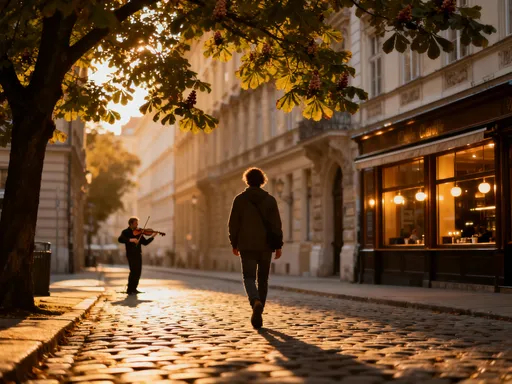
If Temple Bar represents Dublin’s creative edge, Grafton Street embodies its elegant core. This iconic shopping lane, lined with Victorian-era buildings and shaded by mature plane trees, stretches from the bustling O’Connell Street to the serene St. Stephen’s Green park. Here, the energy shifts subtly—from the urban pulse of foot traffic and buskers to the hushed tranquility of manicured lawns and flowering borders. This contrast is precisely what makes Grafton Street so unique: it’s a commercial corridor that never loses its human scale or natural grace.
While international brands like Marks & Spencer and French Connection anchor the street, it’s the independent stores tucked between them that offer the most memorable finds. A short detour down Drury Street leads to a cluster of design-led boutiques specializing in Irish-made accessories, organic skincare, and contemporary ceramics. One particularly notable shop features jewelry crafted from recycled metals and ethically sourced gemstones, with pieces inspired by Irish mythology and coastal geology. The owner, a trained goldsmith from Galway, often works behind a glass partition, allowing visitors to witness the creation process—a rare glimpse into the artistry behind modern Irish design.
Adjacent to Grafton Street, St. Stephen’s Green serves as both a visual and emotional counterpoint to the shopping experience. Benches shaded by copper beeches invite pauses between purchases, while the park’s ornamental lake and aviary add a touch of whimsy. Many visitors adopt a rhythm of “shop, sit, reflect”—buying a book at a nearby independent bookstore, then reading a few pages on a bench overlooking the water. This interplay between activity and stillness enhances cognitive engagement, making each decision feel more deliberate and satisfying.
The architectural harmony of the area also contributes to its appeal. The red-brick facades, ornate cornices, and wrought-iron railings create a sense of continuity, as if the buildings themselves are part of a curated collection. Even the signage is thoughtfully designed, with hand-painted letters and understated branding that respect the historic character of the district. This attention to detail extends to lighting—soft, warm fixtures illuminate storefronts at dusk, casting a golden glow that enhances both visibility and ambiance. It’s a masterclass in urban design, proving that beauty and commerce need not compete but can instead elevate one another.
The Coastal Escape: Dalkey and Dun Laoghaire’s Boutique Scene
A short Luas tram ride south of the city center opens a different dimension of Dublin’s shopping landscape—seaside villages where retail is framed by ocean views, salty breezes, and the gentle clink of boat rigging. Dalkey and Dun Laoghaire, perched along the Dublin Bay coastline, offer a slower, more contemplative alternative to urban shopping. Here, boutiques are not hidden behind glass facades but nestled in converted cottages, harbor buildings, and cliffside lanes, their windows often reflecting the shimmer of the sea.
Dun Laoghaire’s main shopping stretch centers around the Pavilion Theatre and the People’s Park. On weekends, the Maritime Market transforms the waterfront into a vibrant bazaar of local food, handmade crafts, and vintage clothing. Vendors sell smoked salmon from nearby fisheries, artisanal cheeses from Wicklow dairies, and hand-thrown pottery fired in small coastal kilns. One popular stall offers natural skincare products made with seaweed harvested from the rocky shores—an ingredient long valued in Irish folk remedies for its nourishing properties. The market’s location, just steps from the Victorian-era pier, ensures that every purchase is accompanied by the sight of sailboats bobbing in the harbor and the distant silhouette of the Sugarloaf Mountain.
Further along, Dalkey Avenue presents a more refined retail experience. Independent bookshops with nautical themes share space with design studios showcasing contemporary Irish furniture and lighting. A standout store specializes in slow fashion, offering linen dresses, wool coats, and leather bags made in limited runs by Irish designers. The owner emphasizes sustainability, sourcing materials from ethical suppliers and packaging items in reusable cloth wraps. Another boutique features hand-blown glass vases and ornaments, their colors mimicking the shifting hues of the Irish sea—from deep cobalt to pale seafoam green.
What sets these coastal villages apart is their rhythm. There are no crowds, no loud advertisements, no urgency. Shoppers walk at a leisurely pace, often stopping for coffee at a harbor-side café or climbing the steps to Dalkey Castle for a panoramic view. This unhurried atmosphere encourages deeper engagement with products and people alike. Conversations with shop owners often turn into mini-tours of local history, with stories of shipwrecks, smuggling routes, and literary figures like Maeve Binchy, who once lived in the area. In this context, shopping becomes a form of cultural immersion, where every item carries not just aesthetic value but narrative depth.
Phoenix Park and Beyond: Unexpected Retail Near Expansive Landscapes
Europe’s largest urban park, Phoenix Park, spans over 1,700 acres and is home to herds of wild deer, formal gardens, and the official residence of the President of Ireland. Yet few visitors realize that the neighborhoods bordering this green expanse also host a quiet but rich retail culture. Castleknock, Ashtown, and the Parkgate Street area may not appear on typical shopping guides, but they offer some of the city’s most authentic and serene retail experiences.
Farmers’ markets are a highlight, particularly the Saturday morning market at Castleknock Community College. Run by local cooperatives, it features organic produce, homemade preserves, and freshly baked sourdough bread. Many vendors grow their own ingredients on nearby allotments or small farms in County Kildare, ensuring peak freshness and minimal environmental impact. One stall specializes in herbal teas blended with wild plants foraged from the park’s edges—nettle, elderflower, and wood avens—offering a taste of the landscape in every cup. These markets are not just places to shop but community hubs where neighbors greet each other by name and children run between stalls with sticky fingers.
Adjacent to the park, small craft centers and artisan workshops provide another layer of discovery. A ceramics studio in Ashtown hosts weekend open houses where visitors can watch potters at the wheel and purchase one-of-a-kind mugs, bowls, and planters. The glazes used are derived from natural minerals, and the forms often echo the curves of the park’s rolling hills. Similarly, a textile cooperative near Parkgate Street offers handwoven scarves and throws made from undyed Irish wool, their neutral tones reflecting the soft grays and greens of the Dublin skyline.
Seasonal pop-ups further enrich the experience. During spring and summer, outdoor markets appear near the park’s western gates, featuring eco-conscious brands that align with the natural surroundings. These include reusable shopping bags made from recycled ocean plastic, beeswax wraps as an alternative to cling film, and wooden toys crafted from sustainably managed forests. The emphasis is on products that honor the environment—not just in material but in spirit. Shopping here feels like a quiet act of stewardship, a way to support local makers while respecting the land that surrounds them.
Creative Hubs: Smithfield and The Liberties Reinvented
Once dominated by industrial warehouses and distilleries, Smithfield and The Liberties have undergone a thoughtful transformation into dynamic creative districts. Today, they are home to design cooperatives, artisan food halls, and independent retailers that celebrate Dublin’s working-class roots while embracing contemporary innovation. The architecture tells the story—old brick facades stand beside modern glass extensions, and cobbled courtyards lead to light-filled galleries and studios.
Smithfield Square, centered around the historic cobbled plaza, has become a destination for those seeking unique, high-quality goods. The Market House hosts a weekend food market where local producers sell everything from small-batch honey to fermented vegetables and sourdough pizzas baked in wood-fired ovens. Nearby, a cluster of design-led boutiques offers handmade stationery, natural dyes, and hand-bound notebooks made from recycled paper. One particularly popular store features maps of Dublin printed on linen, each annotated with historical landmarks and walking routes—an ideal keepsake for travelers who want to remember not just where they went, but how they felt.
The Liberties, historically known for its textile and brewing industries, now channels that legacy into modern craftsmanship. A growing number of textile studios offer hand-printed fabrics featuring patterns inspired by the area’s industrial past—geometric loom designs, vintage labels, and typography from old factory signs. Meanwhile, craft breweries like the Guinness Storehouse and newer independents have created spaces that blend retail with experience. Visitors can tour the brewing process, sample locally made stouts, and purchase branded merchandise that feels authentic rather than commercial.
What makes these neighborhoods compelling is their authenticity. Unlike areas that have been over-gentrified, Smithfield and The Liberties retain a sense of grit and character. Shopfronts are unpolished but inviting, and many owners live above their stores or work in nearby studios. This proximity fosters a strong sense of community, where shopping is not a transaction but a connection. Whether buying a hand-stitched apron from a local seamstress or a jar of spiced chutney from a family-run kitchen, the experience feels personal and meaningful. It’s a reminder that retail, at its best, is not about consumption but about continuity—of tradition, of skill, of place.
Maximizing Your Scenic Shopping Experience: Practical Tips
To fully enjoy Dublin’s scenic shopping culture, a bit of planning goes a long way. First, consider timing. Mornings on weekdays are ideal for Temple Bar and Grafton Street, offering quieter streets and more attentive service. For coastal villages like Dalkey and Dun Laoghaire, weekends provide access to markets and seasonal events, though early arrival ensures the best selection and parking. Spring and autumn are particularly pleasant seasons, with mild weather and fewer tourists, allowing for a more immersive experience.
Transportation is another key factor. The Luas Green Line connects the city center to both Dundrum and Sandyford, while the DART train runs along the coast, stopping at Dun Laoghaire and Dalkey. These options are not only efficient but scenic—especially the DART ride, which offers panoramic views of the bay and the Wicklow Mountains. For those exploring Phoenix Park and its surroundings, cycling is highly recommended. Dublin’s bike-sharing system, Dublin Bikes, has stations throughout the city, and dedicated paths make it safe and enjoyable to ride through the park and adjacent neighborhoods.
When shopping, focus on authenticity. Look for labels that indicate “Made in Ireland” or “Handcrafted Locally.” Engage with shop owners—they are often the makers or closely connected to them—and ask about the origins of products. Avoid mass-market souvenirs sold in high-traffic zones; instead, seek out cooperatives, craft markets, and independent boutiques where proceeds support small businesses. Consider sustainability: bring a reusable bag, choose items with minimal packaging, and prioritize quality over quantity.
Weather in Dublin can be unpredictable, so layering is essential. A waterproof jacket, comfortable walking shoes, and a compact umbrella will ensure comfort during outdoor market visits or coastal strolls. Finally, allow time for pauses. Build in moments to sit in a park, sip tea in a café with a view, or simply watch the world go by. These interludes are not distractions—they are integral to the experience, deepening your connection to the places you visit and the things you choose to bring home.
Conclusion: Where Beauty Meets Purchase
Dublin redefines what shopping can be. It is not a checklist of errands, nor a race through crowded malls. Instead, it is a journey through landscapes alive with culture, history, and creativity. Every boutique, market, and studio is framed by beauty—whether it’s the curve of a cobblestone street, the sparkle of the sea, or the stillness of a city park. In these moments, commerce becomes communion. A simple purchase transforms into a memory, a connection, a story waiting to be told.
Travelers often seek destinations that offer both wonder and meaning. Dublin delivers both, proving that economy and environment can coexist in harmony. When you buy a handmade scarf in Temple Bar, a pottery bowl in Ashtown, or a linen map in Smithfield, you’re not just acquiring an object—you’re carrying a piece of place. You’re supporting artisans who pour their lives into their craft, communities that value sustainability and authenticity, and a city that believes beauty belongs in every corner, even the retail ones.
So the next time you plan a trip, consider destinations where shopping is more than transactional. Seek out places where the landscape shapes the merchandise, where every purchase is framed by a view, and where the act of buying becomes part of the adventure. Dublin shows us that when beauty meets purchase, the result is not just a bag of souvenirs—but a heart full of moments that last far longer than any journey.