Beyond the Neon: Secret Wilds Just Minutes from Vegas
You know Las Vegas isn’t just about casinos and neon lights—right? I didn’t either, until I stumbled upon untouched desert landscapes hiding in plain sight. Just a short drive from the Strip, protected natural areas offer breathtaking trails, rare wildlife, and total peace. This is the side of Vegas nobody talks about—raw, quiet, and absolutely stunning. Let me show you the real escape. Far from the flashing billboards and 24-hour energy of the city, a different kind of magic unfolds beneath open skies and ancient rock formations. Here, silence speaks louder than crowds, and nature reveals its resilience in the harshest of conditions. Whether you’re a seasoned hiker or simply seeking a calm place to breathe, these wild spaces offer a profound contrast to urban life. They remind us that beauty thrives not only in grandeur but in stillness, not only in spectacle but in subtlety. And best of all, they are accessible.
The Unexpected Side of Las Vegas
When most people think of Las Vegas, images of dazzling hotels, world-famous shows, and endless nightlife come to mind. Yet beyond the glittering skyline lies a surprising truth: this city is surrounded by vast, protected natural landscapes that remain largely undiscovered by tourists. Just minutes from the Las Vegas Strip, public lands managed by the Bureau of Land Management (BLM), the National Park Service (NPS), and Nevada state agencies preserve some of the most dramatic desert scenery in the American West. These areas are not just scenic backdrops—they are vital ecosystems, cultural treasures, and essential sanctuaries for both wildlife and humans seeking respite from urban intensity.
What makes these wild spaces so valuable goes beyond their visual appeal. They serve as outdoor classrooms, recreational havens, and crucial buffers against environmental degradation. The Mojave Desert, in which Las Vegas is situated, is one of the most biologically diverse arid regions in North America. Its delicate balance of plant and animal life depends on conservation efforts that protect water sources, limit invasive species, and regulate human impact. These protected lands also play a growing role in public health, offering accessible opportunities for physical activity, stress reduction, and family bonding. In a city known for excess, these natural areas provide balance—a chance to reset, reconnect, and remember that wonder doesn’t always come with a price tag.
Perhaps most importantly, these public lands are open to everyone. Unlike private attractions or ticketed experiences, they welcome visitors with minimal barriers. A small entrance fee, a sense of responsibility, and basic preparation are often all that’s needed. Whether you're looking for a short nature walk, a full-day hike, or a peaceful spot to watch the sunrise, these nearby wilds offer something meaningful. They invite a different kind of tourism—one rooted in awareness, respect, and quiet appreciation. As more people seek authentic experiences beyond manufactured entertainment, these natural escapes are becoming essential complements to the Las Vegas experience.
Red Rock Canyon: Nature’s Masterpiece at the City’s Edge
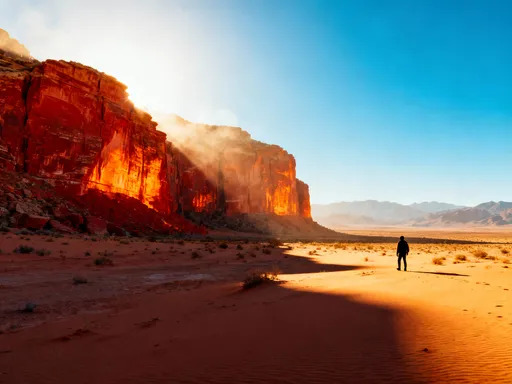
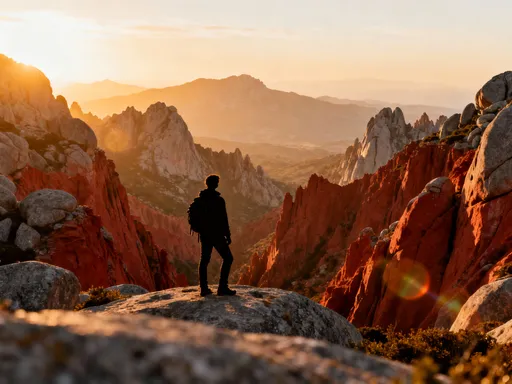
Lying just 15 miles west of the Las Vegas Strip, Red Rock Canyon National Conservation Area is a geological wonder and a favorite destination for locals and informed travelers alike. Spanning over 197,000 acres, this protected area features towering red sandstone cliffs formed over 200 million years ago, sculpted by wind and water into dramatic curves and canyons. The striking contrast between the deep crimson rock and the pale desert sky creates a visual spectacle that feels almost otherworldly. Managed by the Bureau of Land Management, Red Rock Canyon offers a rare combination of accessibility and wilderness, making it one of the most visited natural attractions near Las Vegas.
One of the highlights of a visit is the 13-mile Scenic Drive, a well-maintained loop that provides access to trailheads, picnic areas, and panoramic viewpoints. Along this route, visitors can stop at trailheads leading to popular hikes such as Calico Tanks, a moderate climb that rewards hikers with hidden rock formations and sweeping views of the valley. Another favorite is Ice Box Canyon, a shaded trail that offers a cooler escape during warmer months, winding through narrow passageways and seasonal waterfalls. These trails vary in difficulty, ensuring options for families, casual walkers, and experienced hikers. The area also features a network of longer backcountry trails for those seeking solitude and adventure.
Red Rock Canyon is home to a surprising variety of desert life. Bighorn sheep, often seen scaling steep cliffs with ease, are a common sight, especially in the early morning or late afternoon. Desert tortoises, a threatened species, inhabit the area, as do numerous reptiles, birds, and small mammals. The vegetation is equally remarkable, with Joshua trees, prickly pear cacti, and creosote bushes adapted to survive extreme temperatures and minimal rainfall. Wildflower blooms in the spring transform parts of the landscape into vibrant displays of color, drawing photographers and nature lovers from around the region.
For the best experience, visitors should plan their trip during cooler months—October through April—or arrive early in the morning during summer to avoid intense heat. While no advanced permits are required for day use, an entrance fee applies, and parking can fill up quickly on weekends. Comfortable hiking shoes, sun protection, and plenty of water are essential. With its proximity to the city and rich natural offerings, Red Rock Canyon stands as a testament to the beauty and importance of preserving wild spaces even in the shadow of a major urban center.
Valley of Fire: Where Time Stands Still
About an hour’s drive northeast of Las Vegas, Valley of Fire State Park unfolds like a landscape from another era. Named for its brilliant red Aztec sandstone that glows like embers under the sun, this 42,000-acre park is Nevada’s oldest and largest state park. Formed over 150 million years ago, the rock formations here have been shaped by wind, water, and time into undulating waves, natural arches, and narrow slot canyons. The park’s most iconic feature, the Fire Wave, rivals the famous Wave in Arizona and offers one of the most photographed vistas in the Southwest. Unlike many protected areas, Valley of Fire allows visitors to walk directly among these surreal formations, making it a paradise for hikers and photographers.
Another must-see is the White Domes Trail, a relatively easy hike that takes visitors through a starkly beautiful landscape of eroded rock and desert washes. The trail ends near an old movie set used in films like *The Professionals* and *Star Trek: Voyager*, adding a touch of cinematic history to the natural drama. Petroglyphs etched into the stone by ancient Native American peoples thousands of years ago offer a quiet reminder of human presence long before modern civilization. These cultural artifacts, found at sites like Atlatl Rock, are protected and should be viewed with respect—never touched or disturbed.
Photography in Valley of Fire is exceptional, particularly during sunrise and sunset when the rocks seem to ignite in shades of orange, red, and gold. The interplay of light and shadow enhances the textures of the stone, revealing patterns that look almost painted. Winter and spring offer the most favorable conditions, with mild temperatures and occasional wildflower blooms. Summer visits require extreme caution due to temperatures that can exceed 110°F (43°C), making early morning or late afternoon the only safe times for extended outdoor activity.
The park offers several camping options, including developed sites with picnic tables and fire rings, making it ideal for families and overnight adventurers. Restrooms and potable water are available at the visitor center and main campgrounds. A modest entrance fee helps fund maintenance and conservation. The roads within the park are paved but narrow in places, so drivers should exercise care. With its dramatic scenery, cultural depth, and accessibility, Valley of Fire offers a powerful reminder that some of the most awe-inspiring places on Earth are formed not by human hands, but by the slow, patient work of nature.
Lake Mead National Recreation Area: Water in the Desert
Created by the construction of Hoover Dam on the Colorado River, Lake Mead National Recreation Area is one of the largest man-made reservoirs in the United States. Spanning over 1.5 million acres across Nevada and Arizona, it offers a striking contrast to the surrounding desert—vast blue waters framed by rugged red rock canyons. Just 30 to 45 minutes from Las Vegas, this protected area provides a refreshing escape for those seeking water-based recreation. Managed by the National Park Service, Lake Mead supports boating, fishing, swimming, kayaking, and shoreline hiking, making it a versatile destination for outdoor enthusiasts of all ages.
The lake is home to several marinas, including Las Vegas Boat Harbor and Temple Bar, where visitors can rent boats, launch personal watercraft, or take guided tours. Fishing is popular, with largemouth bass, striped bass, and catfish among the species found in its waters. Swimming areas are designated at beaches like Katherine Landing and Boulder Beach, where families can cool off during warmer months. For hikers, trails such as the Salt Creek Loop and the Ringbolt Trail offer scenic views of the lake and surrounding desert, with opportunities to spot bighorn sheep and migratory birds.
However, Lake Mead also faces significant environmental challenges. Prolonged drought and increased water demand have led to declining water levels, exposing large sections of previously submerged shoreline. This has impacted boating access and raised concerns about long-term sustainability. In response, conservation efforts are underway to promote water conservation, protect native species, and educate visitors about responsible use. These efforts include habitat restoration projects and public outreach campaigns aimed at reducing pollution and preventing the spread of invasive quagga mussels, which threaten the lake’s ecosystem.
Despite these challenges, Lake Mead remains a vital recreational and ecological resource. Its proximity to Las Vegas makes it an ideal destination for day trips or weekend getaways. Families appreciate the picnic areas, campgrounds, and calm coves perfect for floating on inner tubes. The Hoover Dam overlook provides a powerful perspective on human engineering and the importance of water management in the arid West. By visiting responsibly—staying on trails, packing out trash, and conserving water—guests can help ensure this unique desert oasis endures for future generations.
Lesser-Known Gems: Gold Butte and Sloan Canyon
For those willing to venture off the beaten path, two exceptional destinations offer deeper immersion in Nevada’s wild desert: Gold Butte National Monument and Sloan Canyon National Conservation Area. These areas are less developed and less crowded than Red Rock or Valley of Fire, providing a more rugged and authentic desert experience. Gold Butte, located about 60 miles northeast of Las Vegas, spans over 300,000 acres of remote desert terrain. Designated a national monument in 2016, it protects a rich tapestry of natural and cultural resources, including ancient petroglyphs, volcanic rock formations, and desert wildlife such as desert bighorn sheep and mountain lions.
The journey to Gold Butte often requires a high-clearance vehicle, especially on unpaved roads like the BLM 1060 route. Trails such as Little Finland showcase surreal rock formations that look like something from Mars, with balanced boulders and narrow passages perfect for exploration. The area is also home to the Beaver Dam Wash, a rare desert oasis with flowing water and cottonwood trees. Because of its remoteness, visitors must come fully prepared with water, food, navigation tools, and emergency supplies. There are no services within the monument, and cell phone coverage is limited or nonexistent.
Sloan Canyon, located just south of Las Vegas near the McCullough Range, protects over 48,000 acres of volcanic landscape and is renowned for its concentration of Native American rock art. The main attraction is the Sloan Canyon Petroglyph Site, which contains more than 300 rock art panels with over 1,700 individual designs. These petroglyphs, created by the ancestors of today’s Southern Paiute and Mojave peoples, offer a profound connection to the region’s deep human history. The moderate 2.5-mile round-trip hike to the main panel is well worth the effort, though hikers should stay on the designated trail to protect the fragile desert crust.
Both Gold Butte and Sloan Canyon emphasize the importance of responsible visitation. The Leave No Trace principles—plan ahead, travel on durable surfaces, dispose of waste properly, leave what you find, minimize campfire impacts, respect wildlife, and be considerate of others—are especially critical in these sensitive environments. By following these guidelines, visitors help preserve the solitude, beauty, and cultural integrity of these special places. For those seeking adventure without the crowds, these hidden gems offer unforgettable experiences grounded in respect and stewardship.
Why Protected Areas Matter for Urban Neighbors
The existence of vast, protected natural areas so close to a major city like Las Vegas is not just a convenience—it is a necessity. As urban populations grow and daily life becomes increasingly digital and fast-paced, access to nature plays a crucial role in mental and physical well-being. Studies have shown that spending time in natural settings reduces stress, improves mood, and enhances cognitive function. For residents and visitors alike, these desert parks offer a vital counterbalance to the sensory overload of city life. They provide space to walk, reflect, and breathe deeply—simple acts that carry profound health benefits.
From an ecological perspective, these protected lands serve as refuges for biodiversity in a rapidly changing climate. The Mojave Desert may appear barren, but it supports a complex web of life adapted to extreme conditions. Preserving these habitats ensures the survival of species like the desert tortoise, kit fox, and numerous pollinators that are vulnerable to habitat loss and climate shifts. These areas also contribute to climate resilience by storing carbon, stabilizing soil, and protecting watersheds. As cities expand, the pressure on surrounding lands increases, making conservation efforts more urgent than ever.
Public land management faces ongoing challenges, including funding limitations, rising visitation, and environmental threats like drought and invasive species. Visitors have a shared responsibility to help protect these spaces. Simple actions—staying on trails, packing out trash, respecting wildlife, and following fire regulations—make a significant difference. Educational programs and volunteer opportunities offered by agencies like the BLM and NPS help foster a culture of stewardship. When people feel connected to a place, they are more likely to care for it. These protected areas are not just scenic escapes; they are living systems that require ongoing care and attention.
How to Plan Your Own Nature Escape from Las Vegas
Planning a nature getaway from Las Vegas is easier than many realize. The first step is choosing a destination based on your interests and fitness level. Families with young children might prefer the accessible trails and picnic areas of Red Rock Canyon or Lake Mead, while experienced hikers may seek the solitude of Gold Butte or the scenic challenge of Valley of Fire. Once you’ve selected a location, check current conditions through official websites—look for trail closures, weather alerts, or fire restrictions. The Bureau of Land Management, National Park Service, and Nevada State Parks all provide up-to-date information online.
Seasonal timing is crucial. The desert can be dangerous during summer months when temperatures regularly exceed 100°F (38°C). The ideal windows for outdoor exploration are spring (March to May) and fall (September to November), when temperatures are mild and the landscape is most vibrant. If visiting in summer, start hikes before sunrise and finish by mid-morning. Always bring at least one gallon of water per person per day, plus extra for emergencies. Other essentials include sunscreen, a wide-brimmed hat, sturdy footwear, a map or GPS device, and a basic first-aid kit.
Transportation options vary. Most destinations require a personal or rental vehicle, as public transit to these remote areas is limited. Several eco-tour companies offer guided day trips that include transportation, expert commentary, and planned itineraries—ideal for those unfamiliar with desert travel. Some parks, like Red Rock Canyon, have limited shuttle services on weekends and holidays, reducing traffic and environmental impact. Regardless of how you arrive, remember that preparation is key. Let someone know your plans, carry a fully charged phone (though service may be spotty), and never hike alone in remote areas.
Safety in the desert also means understanding your limits. Stay on marked trails to avoid getting lost or damaging fragile vegetation. Watch for signs of heat exhaustion—dizziness, nausea, headache—and seek shade immediately if symptoms appear. Avoid touching cacti or disturbing wildlife. With thoughtful planning and respect for the environment, your desert adventure can be both rewarding and safe. These natural escapes are not just add-ons to a Vegas trip—they are transformative experiences that enrich the soul.
Reinforce the idea that true adventure doesn’t require flying overseas—sometimes it’s just 30 minutes from one of the world’s most artificial cities. These protected lands offer balance, beauty, and a deeper connection to the American West. Encourage readers to look beyond the glitz and discover the quiet power of nature waiting just outside Las Vegas. In a world that often feels loud and hurried, these wild spaces remind us that peace, wonder, and renewal are closer than we think. Step off the Strip, follow the desert road, and let the silence speak.