You Gotta Try This: A Food-Lover’s Journey Through Punakha
Imagine walking through misty valleys, where the air smells of cardamom and simmering stew. That was Punakha, Bhutan—a place I never expected to fall in love with, especially through its food. This isn’t just about eating; it’s about cooking with locals, tasting dishes made from heirloom recipes, and discovering how food ties a culture together. From farm visits to shared meals on wooden floors, every bite told a story. If you think Bhutan is only about monasteries and mountains, wait till you taste what’s on the table.
Arrival in Punakha: First Bites and First Impressions
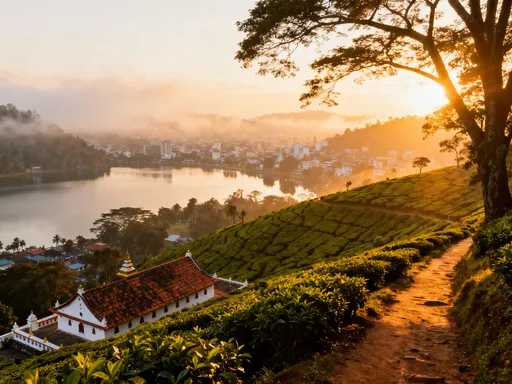
Descending into Punakha from the high passes of Dochula, the landscape transforms dramatically. Lush green rice paddies unfold like folded silk, framed by terraced hills and the winding Mo Chhu River. The air grows warmer, carrying the scent of damp earth and wild herbs. This valley, once the ancient capital of Bhutan, feels like a hidden sanctuary where time moves with the rhythm of farming and festivals. As the sun dipped behind the mountains on my first evening, I was welcomed into a family-run guesthouse with a steaming bowl of red rice and a dish that would become both comfort and revelation—ema datshi.
Ema datshi, a stew of chilies and cheese, is often called Bhutan’s national dish. Served in a clay pot, the chilies—green and fiery—melted into a creamy blend of homemade yak cheese. It was bold, rich, and unlike anything I’d tasted before. Beside it, jasha maru, a spiced chicken curry simmered with tomatoes and ginger, offered warmth and depth. The family sat with me on woven mats, eating with hands and laughing as I reached for water after each spicy bite. In that moment, food became the first language of connection. No formalities, no barriers—just shared warmth, stories, and the quiet pride of a cuisine rarely seen beyond these valleys.
What struck me most was not just the flavor, but the intention behind each dish. Meals in Punakha are not rushed. They are prepared with care, often using ingredients harvested that morning. The guesthouse owner, Kinley, explained that food is a form of respect—especially when offered to visitors. Every meal begins with setting the table with care, and the eldest or the guest is always served first. This quiet ritual, repeated across homes, set the tone for the days ahead: to travel here is not just to see, but to participate, to receive, and to honor.
The Heart of Bhutanese Cuisine: Staples and Flavors
Bhutanese cuisine, especially in the central valleys like Punakha, is built on simplicity, seasonality, and resilience. The foundation of most meals rests on three pillars: red rice, chilies, and cheese—particularly the soft, tangy datshi made from cow or yak milk. Red rice, grown in the terraced fields of the valley, is nutty, slightly chewy, and packed with nutrients. It’s more than a staple—it’s a symbol of self-reliance, as most families grow their own or trade within the community.
Chilies are not merely a spice in Bhutan; they are a vegetable, a medicine, and a cultural marker. In Punakha, farmers grow dozens of varieties, from mild red peppers to the fierce green Sikkim cobra chili. They are stir-fried, stewed, dried for winter, or even eaten raw. The idea of food without chilies is almost unthinkable. Yet, the heat is not used to overwhelm—it’s balanced. Fermented cheese tempers the spice, while the natural sweetness of seasonal vegetables like pumpkin or radish rounds out the flavor. This balance reflects a deeper philosophy: harmony between body, land, and climate.
Fermentation plays a quiet but vital role in the kitchen. Datshi cheese is aged in wooden boxes, developing a deeper flavor over weeks. Similarly, some households prepare goen hogi, a fermented chili paste used in special dishes. Even the red rice is sometimes soaked and fermented to make a mild rice beer, served during celebrations. These methods, passed down through generations, are not just about preservation—they are acts of patience and respect for nature’s cycles. In a world of instant gratification, Punakha’s food culture reminds us that flavor deepens with time.
Cooking with a Local Family: A Day in the Kitchen
One of the most memorable experiences of my trip was spending a full day cooking in the home of a farming family on the outskirts of Punakha. The kitchen was simple—a stone hearth, a few clay pots, and shelves lined with hand-carved wooden bowls. There was no gas stove, no oven, no refrigerator. Yet, every tool had purpose, every ingredient its place. Pema, the matriarch, greeted me with a warm smile and immediately handed me an apron made of thick cotton. “Today,” she said, “you eat what you cook.”
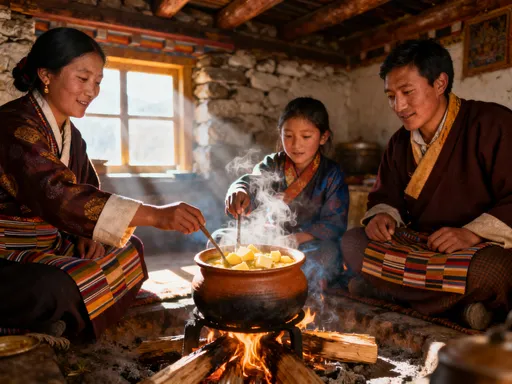
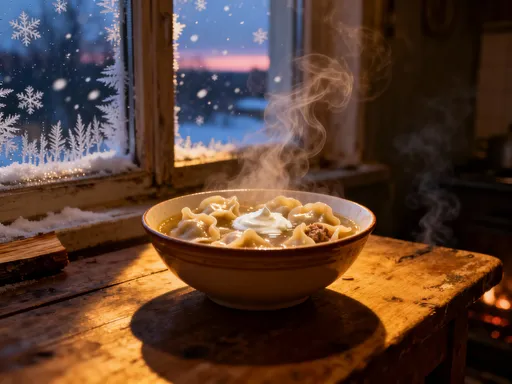
We began with kewa datshi, a humble but beloved dish of potatoes and cheese stew. Pema showed me how to peel the potatoes with a small knife, slicing them thinly so they’d absorb the flavors. The chilies were deseeded—“for your stomach,” she joked—and chopped finely. In a heavy iron pot, she heated butter (made from yak milk) and sautéed onions and garlic until golden. Then came the chilies, a splash of water, and finally, chunks of soft datshi. As the stew simmered, the kitchen filled with an aroma that was both earthy and comforting. Pema stirred with a wooden spoon, her hands moving with the ease of decades. “This is what we eat when it’s cold,” she said. “It keeps the body warm and the heart full.”
The second dish, phaksha paa, was richer—a stew of pork, dried chili, and radish. The pork came from a pig the family had raised and slaughtered that winter. The radish, crisp and white, was pulled from their garden that morning. As we layered the ingredients, Pema explained how this dish was reserved for special occasions or when elders visited. “It takes time,” she said, “and good meat is precious.” The stew cooked slowly over low heat, allowing the fat to render and the flavors to meld. By late afternoon, we sat together on the floor, sharing the meal with Pema’s grandchildren, who giggled at my attempts to eat with my right hand, the traditional way. In that simple kitchen, I didn’t just learn recipes—I learned rhythm, care, and the quiet joy of feeding those you love.
From Farm to Table: Visiting Organic Fields and Markets
To understand Punakha’s food, one must walk its fields. The valley is a patchwork of small farms, each family cultivating just enough to feed themselves and trade locally. I joined a morning tour of a nearby organic farm, where Tandin, a third-generation farmer, showed me how they grow chilies, buckwheat, and vegetables without chemical fertilizers or pesticides. “The soil remembers,” he said, crouching to touch the dark earth. “If you hurt it, it stops giving. If you care for it, it feeds your children.”
He led me through rows of chili plants, their leaves glistening with dew. Some chilies were bright red, others still green, all grown on the same plant. Nearby, buckwheat flowers bloomed in delicate pink clusters—a crop that thrives in cooler weather and is used to make traditional pancakes called khabzey. Tandin explained that crop rotation and natural compost are standard practice. “We don’t have big machines,” he said, “but we have time, and we have knowledge.” At harvest, families gather to thresh rice by hand, singing songs to keep the rhythm. This deep connection between labor and food is rarely seen in modern life, yet it remains alive in Punakha.
Later that week, I visited Punakha’s weekend market, a vibrant hub of color, scent, and sound. Stalls overflowed with baskets of red rice, heaps of chilies, and fresh greens like dzilla (Bhutanese spinach). Women in traditional kiras sat cross-legged, selling homemade cheese, honey, and dried meats. The air was rich with the smell of roasting buckwheat and simmering soups. I sampled street snacks like juma dumplings, filled with pork and steamed in banana leaves, and sweet red rice cakes drizzled with honey. Vendors smiled as I pointed and asked questions, happy to share their food. This market isn’t just a place to buy—it’s a living archive of local taste, a place where tradition is served daily, one plate at a time.
Hidden Food Experiences: Beyond the Ordinary
While restaurants and guesthouses offer wonderful meals, some of the most meaningful food moments in Punakha happen off the menu. One morning, I was invited to a monk’s family home for suja, the traditional butter tea. Unlike the milky chai I knew, suja is made by churning tea leaves, yak butter, salt, and water in a tall wooden barrel called a chandong. The process takes strength and rhythm—up and down, for minutes until the mixture emulsifies into a creamy, golden drink. The first sip was surprising—salty, rich, and warming—but within minutes, I understood why it’s essential in the high altitudes. It fuels the body, calms the mind, and is always offered to guests as a sign of welcome.
During the visit, the family also served khapse—crisp, deep-fried cookies shaped into intricate designs. These are traditionally made during Losar (Bhutanese New Year) and religious festivals. As we dipped them into honey, the grandmother shared stories of her childhood, when making khapse was a communal event involving aunts, cousins, and neighbors. “We didn’t have much,” she said, “but we had time to make things with love.” The joy in her voice was palpable. These small, sweet bites carried generations of memory.
Another evening, after a long day of walking, I was invited to share a meal with a local guide and his parents. As the dishes were cleared, they brought out a clay jug of arak, a homemade rice wine fermented for months in a cool cellar. It was mild, slightly sweet, and served in small wooden cups. As we sipped, the father began telling folktales—stories of mountain spirits, clever farmers, and wise elders. No screens, no distractions—just voices, laughter, and the soft clink of cups. In that moment, I realized that food in Punakha is never just sustenance. It is the vessel for story, for song, for the passing down of wisdom.
How Food Connects Culture and Community
In Punakha, food is woven into the fabric of daily life and spiritual practice. Meals are rarely eaten alone. Even the simplest dinner is a shared event, a time for family to gather, speak, and reconnect. The act of serving—placing food in another’s bowl, offering the first bite to the elder—is a quiet expression of respect and love. This culture of generosity extends beyond the home. During festivals like Punakha Drubchen, families prepare large pots of food to offer at temples and share with neighbors, regardless of wealth or status.
Food also plays a sacred role. At monasteries, offerings of rice, butter, and fruit are placed before altars each morning. These are not symbolic gestures—they are acts of devotion, meant to nourish both the physical and spiritual worlds. After prayers, the food is often shared among the community, reinforcing the belief that nothing is wasted, and everything is connected. Even the way meals are arranged holds meaning: the most honored guest sits in the position of respect, and the eldest is served first, reflecting Bhutan’s deep-rooted values of humility and gratitude.
What I found most moving was how food bridges generations. Grandmothers teach granddaughters how to grind spices with a stone mortar. Fathers show sons how to build a fire that won’t burn the stew. These moments are not taught in schools—they happen at the table, in the kitchen, in the fields. In a world where traditions are fading, Punakha holds on. Its cuisine is not just about taste—it’s about continuity, identity, and belonging. To eat here is to be adopted, even briefly, into a community that values care over convenience, and connection over consumption.
Practical Tips for a Food-Centric Visit to Punakha
For travelers eager to experience Punakha’s culinary heart, timing and approach matter. The best months to visit are March to May and September to November, when the weather is mild and harvests are in full swing. Spring brings fresh greens and the first chilies, while autumn offers ripe pumpkins, buckwheat, and red rice ready for threshing. If possible, plan your trip around a local festival—many include communal feasts and traditional cooking demonstrations.
To join a home meal or cooking session, the key is respect and openness. Many guesthouses and tour operators can arrange cultural homestays or kitchen visits, but even a simple conversation with a local can lead to an invitation. Always accept with gratitude, remove your shoes before entering a home, and offer to help with preparation or cleanup. When eating, try to use your right hand, as the left is considered unclean in traditional settings. And don’t be afraid to express appreciation—smiles and thank yous go a long way, even without fluent language.
For authentic dining, seek out small, family-run eateries in the town center or along the riverbank. Look for places where locals eat—this is the best sign of quality. Some guesthouses, like Sangchhen Organics and Uma by COMO, offer traditional Bhutanese menus with ingredients sourced from their own gardens. Street food is safe and delicious, but stick to items that are freshly cooked and served hot. And if you’re unsure about spice levels, ask for milder versions—many cooks are happy to adjust for visitors.
Conclusion
Punakha taught me that travel is not just about what you see, but what you taste, smell, and share. In a world that often feels rushed and disconnected, this valley offers a different rhythm—one where food is slow, meaningful, and deeply tied to place. Every meal I ate, from the simplest bowl of red rice to the richest pork stew, was a story of land, labor, and love. It reminded me that culture is not just preserved in temples or textbooks, but in kitchens, farms, and family tables.
To visit Punakha is to be invited into a way of life that values balance, respect, and community. It challenges the modern traveler to slow down, to eat with hands, to listen to stories over rice wine, and to find joy in simplicity. So if you go, don’t just bring a camera—bring an open heart and an empty stomach. Let the flavors guide you. Let the people feed you, not just with food, but with warmth and wisdom. Because in Punakha, every meal is an act of hospitality, and every bite is a bridge to something deeper. Taste it all. You’ll leave not just satisfied, but transformed.