You Won’t Believe What Happens When Kuching Comes Alive
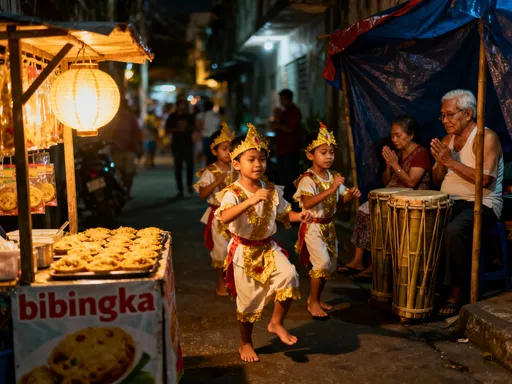
Kuching isn’t just Malaysia’s cat city—it’s a cultural heartbeat pulsing with color, rhythm, and soul. I went expecting charm; I found a festival spirit that transforms streets into stages and strangers into family. From traditional chants under moonlit skies to drumbeats that move your spine, Kuching’s festival culture is real, raw, and ridiculously beautiful. This is more than tourism—it’s connection. And honestly? You’ve never seen celebration quite like this.
The Soul of Sarawak: Why Kuching’s Festivals Go Beyond Celebration
Kuching, the capital of Sarawak on the island of Borneo, is far more than a charming riverside city adorned with cat statues. It is a living archive of indigenous heritage, where festivals are not staged for tourists but deeply woven into the identity of the people. The Iban, Bidayuh, and Orang Ulu communities—each with distinct languages, customs, and spiritual beliefs—use festivals as vessels for storytelling, ancestral remembrance, and community continuity. These events are not performances; they are acts of cultural preservation, passed down through generations in an unbroken chain of oral tradition and shared experience.
What sets Kuching apart is how its festivals maintain authenticity in the modern era. While many destinations risk turning tradition into theatrical spectacle, Kuching resists that shift by centering community voices. Elders lead ceremonies, youth participate with pride, and rituals unfold with sincerity rather than showmanship. The Gawai Dayak, celebrated annually on June 1, is not just a public holiday—it is a sacred homecoming, a time when city-dwellers return to longhouses, honor their ancestors with rice wine, and give thanks for the harvest. This grounding in real life, not tourism, is what gives Kuching’s festivals their emotional depth.
At the heart of these celebrations is a worldview that sees humans as part of a larger web of nature, spirit, and kinship. The Iban’s reverence for the hornbill as a messenger between worlds, the Bidayuh’s intricate bamboo architecture symbolizing harmony with the forest, and the Orang Ulu’s soulful chants that echo through river valleys—all speak to a way of life that values balance and belonging. In Kuching, festivals are not escapes from reality; they are affirmations of it. They remind participants and visitors alike that culture is not something to be displayed behind glass, but lived, felt, and renewed with every song, dance, and shared meal.
Rainbow Over the River: The Borneo Cultural Festival in Full Swing
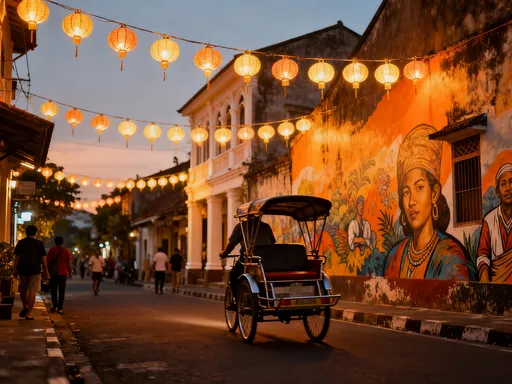
Each June, the waterfront of Kuching transforms into a vibrant tapestry of sound, color, and movement during the Borneo Cultural Festival (BCF), the city’s most anticipated annual event. Stretching along the Sarawak River, from the Astana to the Square Tower, the festival turns the city’s historic core into a stage for Sarawak’s 27 ethnic groups. More than just a celebration, the BCF is a dynamic showcase of unity in diversity, where ancient traditions meet contemporary creativity in a joyful explosion of cultural pride.
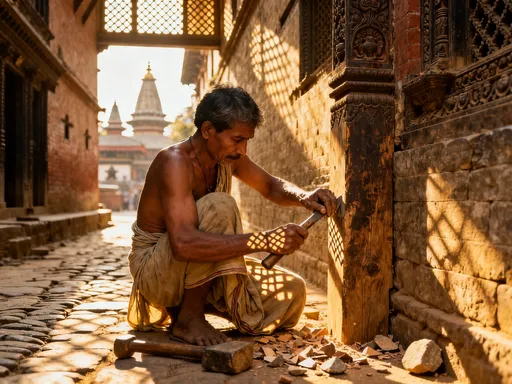
Visitors are greeted by the sight of towering tribal poles carved with ancestral motifs, rows of stalls selling handwoven pua kumbu textiles, and performers in elaborate regalia that shimmer under the tropical sun. The air hums with the rhythmic pulse of gongs, the twang of the sapeh, and the high-pitched calls of bamboo mouth organs. One moment, you might watch a master craftsman etch intricate designs into a piece of wood using traditional tools; the next, you’re tasting pansoh, meat and vegetables slow-cooked in bamboo over an open fire, its smoky aroma mingling with the scent of frangipani blossoms drifting from nearby trees.
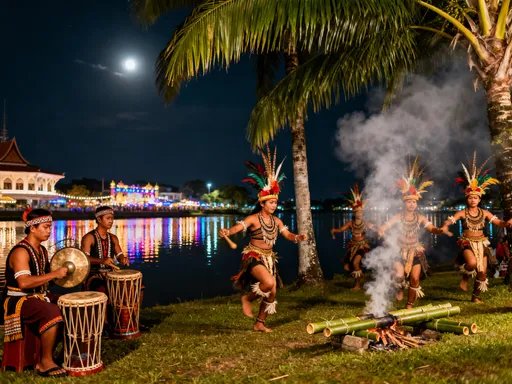
The festival’s program is rich with hands-on experiences. At designated cultural zones, visitors can try their hand at blowpipe shooting, a skill once essential for hunting in the dense rainforest. Others gather around elders demonstrating traditional tattooing, a practice historically linked to rites of passage and spiritual protection. Children laugh as they learn basic steps of the ngajat dance, while older participants listen intently to storytelling sessions in native languages, some with English translations provided. The climax often comes at dusk, when a grand procession of dancers in feathered headdresses moves in perfect synchrony to the thunderous beat of a gong orchestra, the river reflecting the golden light like a mirror of fire.
What makes the Borneo Cultural Festival truly special is its inclusivity. While deeply rooted in indigenous traditions, it welcomes all—Malaysian families from Kuala Lumpur, expatriates, and international tourists—who come not as spectators but as participants. There are no barriers between stage and crowd; instead, there is invitation. A woman in a modern blouse might find herself handed a drum and gently guided into a circle dance. A child might be taught how to weave a simple bracelet from jungle vines. These small moments of connection are where the festival’s magic lies—not in grandeur, but in generosity.
More Than a Party: How Festivals Strengthen Community Ties
Festivals in Kuching are not merely seasonal events; they function as vital social infrastructure. In a world where urbanization and digital life often erode personal connections, these gatherings serve as powerful reminders of what it means to belong. They are moments when extended families reunite, when elders pass down knowledge to the young, and when communities open their doors to those outside their immediate circle. The strength of Kuching’s cultural life lies not just in its traditions, but in the way those traditions foster real, tangible bonds.
Take the practice of communal weaving, still alive in Bidayuh villages surrounding the city. During festival seasons, women of all ages gather in open-air pavilions, their fingers moving deftly over looms as they recreate patterns that have been used for generations. These sessions are not just about producing textiles; they are about sharing stories, offering advice, and reinforcing the value of patience and craftsmanship. A grandmother might teach her granddaughter the meaning behind a particular motif—a zigzag line representing a river, a diamond shape symbolizing protection—while laughter and tea flow freely. These are informal classrooms where culture is absorbed through presence, not textbooks.
Similarly, youth dance troupes play a crucial role in keeping traditions alive. In the months leading up to Gawai or the Borneo Cultural Festival, teenagers rehearse late into the night, learning the precise footwork and gestures of the ngajat or bungai rosa dances. These are not performances for trophies, but acts of respect—for their ancestors, their communities, and the art itself. The discipline required builds confidence and camaraderie, while the performances themselves become sources of collective pride. When a young dancer steps onto the stage in a hand-beaded costume, moving with grace and power, the audience doesn’t just see talent—they see continuity.
What is perhaps most remarkable is how inclusive these events are. Urban Malaysians who have lived in Singapore or Penang for years return to their hometowns during festival season, reconnecting with roots they may have neglected. Expatriates who have made Kuching their home are often welcomed into longhouse celebrations, invited to share meals from communal platters, and taught simple phrases in Iban or Bidayuh. Tourists, too, are not kept at a distance. A family might gesture for a visitor to join them in a game of batu seremban (a traditional tossing game), or an elder might offer a taste of tuak, the mildly sweet rice wine served during Gawai. These gestures are small, but they carry weight—they signal that culture is not a performance, but a shared space.
When Tradition Meets Today: Innovation in Kuching’s Cultural Expressions
While Kuching’s festivals are deeply rooted in the past, they are not frozen in time. A new generation of artists, musicians, and designers is reimagining heritage in ways that feel both fresh and respectful. This is not cultural dilution—it is evolution. Young Sarawakians are finding creative ways to honor their ancestors while speaking to the present, ensuring that traditions remain relevant, not relics.
One of the most exciting developments is in music. Bands like Masterpiece and Borneo Jazz have gained national recognition by blending traditional Iban chants with electric guitars, modern drum kits, and jazz improvisation. At festival after-parties, you might hear a sapeh player jamming with a DJ, the ancient lute’s melodic lines weaving through electronic beats. These fusion sets don’t replace traditional performances—they complement them. They attract younger audiences who might not otherwise engage with cultural events, creating bridges between generations and genres.
Fashion, too, is undergoing a quiet revolution. Local designers are incorporating tribal motifs—such as the Iban’s ukir (carved) patterns or the Kayan’s beadwork—into contemporary clothing. A simple cotton dress might feature a neckline inspired by a warrior’s headdress, or a modern jacket might be embroidered with symbols representing protection, fertility, or strength. These pieces are worn not just during festivals but in everyday life, turning cultural identity into a living, wearable expression. Pop-up markets during the Borneo Cultural Festival often showcase these designs, drawing crowds who appreciate both the artistry and the message: tradition can be stylish, personal, and modern.
Support for this creative renaissance comes from both the community and official channels. The Sarawak government, through agencies like the Tourism, Creative Industry, and Performing Arts Ministry, offers grants to young artists and funds cultural hubs in restored colonial-era buildings. One such space, The Ranee, a former residence of a royal consort, now hosts workshops on traditional weaving, dance, and language. These programs are not curated for tourists alone—they are designed for locals, especially youth, to reclaim and reinterpret their heritage. The message is clear: innovation does not require erasure. Respect for the past can coexist with bold new ideas.
Time Your Visit Right: A Practical Guide to Festival Seasons in Kuching
For those planning to experience Kuching’s festival culture firsthand, timing is everything. The city’s calendar is rich with events, each offering a unique window into Sarawak’s multicultural soul. The most prominent is the Borneo Cultural Festival, held annually in June along the waterfront. Lasting about ten days, it features performances, exhibitions, and culinary showcases from all major ethnic groups. Booking accommodations several months in advance is advisable, as hotels fill quickly during this peak period.
Another must-see is Gawai Dayak, celebrated on June 1 and the day after. While the official festivities in the city are lively, the most authentic experiences happen in rural longhouses, where families host open houses for visitors. If invited, it is considered a great honor. Guests are welcomed with tuak, offered a plate of traditional food, and may even be asked to join a dance. To arrange such a visit, it is best to coordinate through a local tour operator or community guide who can ensure cultural sensitivity and proper etiquette.
For those who prefer milder weather and smaller crowds, the Chinese New Year celebrations in January or February offer a different flavor of festivity. Kuching’s Chinatown lights up with red lanterns, lion dances wind through the streets, and temples are filled with incense and prayer. Similarly, Hari Raya Aidilfitri, marking the end of Ramadan, brings warmth and generosity as Muslim families open their homes to guests of all backgrounds. While dates vary each year based on the lunar calendar, both events are marked by public joy and hospitality.
Travelers should also consider off-peak visits for a more intimate experience. Late September and October, after the monsoon season, offer lush landscapes and fewer tourists. Some villages host smaller, local festivals during this time—harvest thanksgivings, boat blessings, or craft fairs—that are less publicized but deeply meaningful. Staying in a homestay within a Bidayuh or Iban village allows for deeper immersion, with opportunities to learn cooking, farming, or weaving from host families. The key is to approach these moments with humility and openness, remembering that you are a guest in someone’s life, not just their home.
Off the Beaten Path: Hidden Moments Beyond the Main Stage
Beyond the scheduled performances and bustling festival grounds, some of Kuching’s most profound cultural experiences happen quietly, spontaneously, and without fanfare. These are the moments that linger long after the trip ends—the late-night storytelling under a thatched roof, the impromptu water buffalo race in a village clearing, the elder who teaches you how to fold a betel nut leaf just right. They are not listed in guidebooks, but they are real, and they are precious.
One such moment might occur during Gawai, when a longhouse family invites you to sit in on a storytelling session. By firelight, an elder recounts the legend of the first Iban warrior, his voice rising and falling like the river currents. Children listen wide-eyed, while adults nod in recognition. There is no translation, no script—just the power of voice and memory. Another might unfold at dawn, when villagers gather to bless their boats before the fishing season, chanting prayers as they sprinkle rice flour on the hulls. These rituals are not for show; they are acts of faith and continuity.
To access these experiences, one must slow down. A three-day city tour will not suffice. Instead, plan for at least five to seven days, with time to build rapport, accept invitations, and simply be present. Local-led walking tours, such as those offered by community cooperatives in the Annah Rais or Singai villages, are ideal. Guides speak English, share personal stories, and know when and where quieter moments occur. They understand the difference between observation and intrusion, and they help visitors navigate cultural norms with grace.
The reward for patience is connection. You may find yourself sharing a meal of umai (a fresh fish salad) with a family who asks about your life back home. You might be taught how to play a simple tune on a bamboo flute, or invited to help harvest vegetables from a family garden. These are not staged interactions—they are genuine exchanges between people who value hospitality and mutual respect. In these moments, the line between tourist and traveler blurs, and something deeper takes its place: kinship.
Why This Matters: The Global Importance of Preserving Living Culture
In an age of rapid globalization, where fast fashion, viral trends, and digital homogenization threaten to erase local identities, Kuching stands as a quiet but powerful counterpoint. Its festivals are not just local celebrations—they are acts of resistance against cultural flattening. They demonstrate that it is possible to honor the past while embracing the present, to grow without losing one’s soul. In a world searching for authenticity, Kuching offers a model of how living culture can thrive.
The city’s success lies in its community-led approach. Culture is not managed from the top down, but nurtured from within. Elders are respected as knowledge keepers, youth are empowered as innovators, and outsiders are welcomed as guests. This balance fosters pride, not performance. It creates a sense of ownership that ensures traditions are not preserved in museums, but lived in homes, longhouses, and village halls.
On a broader scale, Kuching’s cultural resilience contributes to global diversity. Every song sung in Iban, every pattern woven into a textile, every story passed from grandparent to grandchild adds to the richness of human expression. These are not relics of a bygone era—they are vital threads in the fabric of our shared humanity. When we protect such traditions, we are not just saving the past; we are investing in a future where difference is valued, where identity is celebrated, and where connection is possible across languages and borders.
So if you travel to Kuching, go not just to see, but to witness. Listen more than you speak. Accept invitations with gratitude. Remember names, stories, flavors. Carry these moments not as souvenirs, but as responsibilities—to remember, to respect, and to share with care. Because in the end, Kuching’s festivals are not just about celebration. They are about belonging. And that, perhaps, is the most beautiful thing of all.