Why My Health Tracking Backfired — And What I Learned the Hard Way
For years, I thought tracking every heartbeat, step, and sleep cycle was the key to staying healthy. But obsession turned into stress, and data overload nearly ruined my well-being. I’m not alone — many of us fall into the same traps while trying to prevent illness. This is a real talk about the hidden downsides of health monitoring, why good intentions go wrong, and how to use data wisely without losing peace of mind. What started as a way to feel more in control gradually became a source of anxiety, self-doubt, and exhaustion. The very tools meant to protect health may, in some cases, be undermining it. This article explores how that happens — and how we can reclaim balance.
The Allure of Numbers: Why We Love Health Tracking
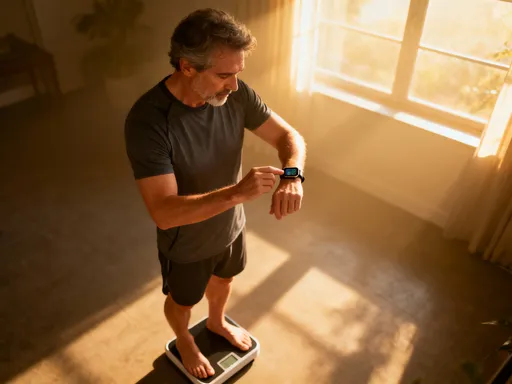
There’s something deeply satisfying about seeing progress in numbers. A step counter clicking toward 10,000, a sleep score creeping into the green, or a heart rate trend showing improvement — these metrics offer a sense of achievement that feels tangible and real. Over the past decade, wearable health technology has exploded in popularity. From smartwatches to fitness bands, millions now carry devices that monitor movement, heart activity, sleep duration, and even blood oxygen levels. These tools were designed to empower users, to make health visible and actionable. And for many, they do just that — at least at first.
The appeal lies in the promise of control. In a world full of uncertainty, health tracking offers a way to take charge. It turns abstract goals like “get healthier” or “feel better” into concrete targets. When you can measure something, it feels manageable. This psychological comfort is powerful. It gives the impression that if you just monitor closely enough, you can prevent illness, avoid chronic disease, and optimize your life. For busy individuals — especially women juggling family, work, and personal well-being — this sense of agency is incredibly attractive.
Moreover, social and cultural trends reinforce this behavior. Wellness has become a mainstream value, often equated with discipline and self-improvement. Social media amplifies this, where sharing fitness milestones or sleep scores can feel like a badge of honor. Group challenges, app leaderboards, and even workplace wellness programs encourage constant comparison. Over time, what begins as a helpful habit can subtly shift into an expectation — even a requirement — to be “on track.” The line between motivation and pressure becomes thin, and for some, it disappears entirely.
When Monitoring Becomes Over-Monitoring
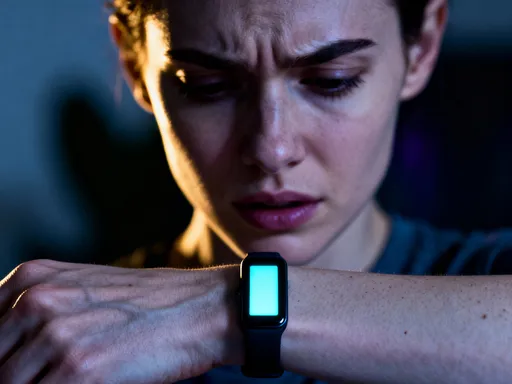
There is a crucial difference between using data to inform health choices and letting data dictate your emotional state. The shift from helpful tracking to harmful fixation often happens gradually, almost imperceptibly. At first, checking your step count is a quick habit. But soon, it becomes a compulsion. You feel uneasy if your device isn’t charged. You skip a family walk because the weather might affect your step accuracy. You avoid social gatherings because hitting your nightly goal requires strict bedtime adherence. These behaviors may seem minor, but they signal a deeper issue: the tracker is no longer serving you — you are serving it.
Signs of over-monitoring include persistent anxiety when the device malfunctions, irritability over minor deviations from targets, and a sense of failure when numbers don’t align with expectations. Some individuals report feeling physically unwell when their sleep score drops, even if they woke up feeling rested. This phenomenon — where perceived health is dictated by data rather than actual experience — reveals how deeply these tools can influence mental well-being. The constant stream of alerts, notifications, and performance summaries keeps the nervous system in a state of low-grade alertness, which, over time, contributes to chronic stress.
What makes this especially concerning is that stress is a known risk factor for a range of health problems, including high blood pressure, weakened immunity, and digestive issues. Ironically, the very act of trying to prevent illness through constant monitoring may introduce a new health threat. Instead of promoting relaxation and balance, obsessive tracking can create a cycle of vigilance and self-criticism. The goal of disease prevention becomes overshadowed by the emotional toll of chasing perfect numbers. When health monitoring stops being a tool and starts being a source of distress, it’s time to reassess its role.
The Myth of Perfect Data: Accuracy Isn’t Everything
One of the most misleading assumptions in health tracking is that the data is precise. Many users treat their device readings as medical-grade truth, but the reality is far more complex. Consumer-grade wearables are not diagnostic tools. While they can provide useful trends, they are prone to inaccuracies. Heart rate monitors, for example, can be thrown off by skin tone, movement, or improper fit. Sleep tracking algorithms estimate stages like deep and REM sleep based on movement and pulse, but they cannot measure brain activity like clinical polysomnography. Calorie burn estimates are often based on generalized formulas that don’t account for individual metabolism, muscle mass, or hormonal fluctuations.
Even devices with FDA clearance are typically cleared for specific functions, not for comprehensive health assessment in everyday use. Relying on such data as absolute truth can lead to misguided conclusions. Someone might believe they had a “poor” night of sleep because their device reported only one hour of deep sleep, when in reality, they feel refreshed and alert. Conversely, another person might see a “good” score despite waking up fatigued, leading them to ignore real issues. The danger lies in treating these numbers as definitive rather than directional.
What matters more than any single reading is the overall trend over time. A one-day drop in heart rate variability or a fluctuation in step count is rarely meaningful in isolation. Yet, many users react to daily variations as if they signal health decline. This fixation on precision, when the tools are inherently imprecise, creates unnecessary worry. It also distracts from more reliable indicators of well-being, such as how you feel, how you function, and how you recover from daily demands. Recognizing the limitations of consumer health tech is essential to using it wisely.
Ignoring the Whole Picture: What Metrics Miss
Health is not just a collection of numbers. While wearables can track heart rate, steps, and sleep duration, they cannot measure how you truly feel. They don’t capture mood, energy levels, digestion, mental clarity, or emotional resilience. These aspects are critical to overall well-being and long-term disease prevention, yet they remain invisible to most tracking devices. A woman may log 10,000 steps every day, maintain a steady heart rate, and hit her sleep goals — but still feel drained, irritable, or unwell due to stress, poor nutrition, or lack of emotional support.
Consider the example of someone who forces herself to walk late at night to meet a step goal, sacrificing sleep and family time in the process. On paper, the data looks excellent. In reality, the body may be paying a price in the form of elevated cortisol, disrupted circadian rhythm, and emotional burnout. Similarly, a person might obsess over sleep duration but ignore the quality of their bedtime routine — scrolling on screens, consuming caffeine late, or going to bed anxious. The device records eight hours, but the rest is fragmented and unrefreshing.
When we focus exclusively on what can be measured, we risk neglecting what truly matters. Digestive comfort, mental focus, emotional stability, and the ability to enjoy daily life are all vital signs of health that no wearable can quantify. True prevention requires a holistic approach — one that includes nutrition, hydration, emotional health, social connection, and lifestyle balance. Data can support this process, but it should not replace intuitive self-awareness. Learning to listen to your body’s signals — hunger, fatigue, tension, joy — is just as important as any metric on a screen.
The Stress Paradox: Can Tracking Increase Disease Risk?
Chronic stress is a well-established contributor to numerous health conditions, including cardiovascular disease, diabetes, and autoimmune disorders. It triggers inflammation, raises blood pressure, disrupts hormone balance, and weakens the immune system. Ironically, the very act of trying to prevent these conditions through constant health monitoring can become a source of stress itself. When checking your sleep score becomes a nightly ritual of judgment, or when a missed step goal triggers guilt, the body responds as if under threat. The nervous system activates, cortisol levels rise, and relaxation becomes elusive.
For many, especially women who often carry the emotional labor of managing family health, the pressure to “get it right” is intense. The idea that health is entirely within one’s control — if only you track closely enough — is both appealing and dangerous. It ignores the complex interplay of genetics, environment, socioeconomic factors, and life circumstances. When illness or fatigue occurs despite diligent tracking, it can lead to self-blame and frustration. This internal pressure compounds external stressors, creating a cycle that undermines well-being.
Research in behavioral health suggests that excessive self-monitoring, particularly when tied to rigid goals, can reduce intrinsic motivation and increase anxiety. Over time, this can erode the joy of movement, the peace of rest, and the spontaneity of daily life. Instead of fostering resilience, it may make individuals more fragile — more reactive to minor fluctuations, less able to adapt to change. The pursuit of health, when taken to an extreme, can paradoxically increase vulnerability to disease. Recognizing this paradox is the first step toward a more balanced approach.
Smarter, Not Harder: Building a Balanced Monitoring Routine
None of this means that health tracking should be abandoned. For many, it remains a valuable tool when used intentionally and in moderation. The key is to shift from reactive obsession to proactive awareness. This begins with simplifying. Instead of monitoring every possible metric, choose one or two that are most meaningful to your current goals — perhaps sleep consistency or daily movement. Let these serve as gentle guides, not strict judges. The goal is insight, not perfection.
Setting realistic expectations is equally important. Understand that fluctuations are normal. A single day of low activity or poor sleep does not define your health. Progress is measured in months and years, not days. Schedule regular device-free times — during meals, family time, or weekends — to reconnect with your body’s natural rhythms. Consider pairing your data with a simple journal where you note how you feel each day. This creates a richer, more complete picture than numbers alone can provide.
Periodic “detox” breaks from tracking can also be beneficial. Try going a week without checking your step count or sleep score. Use that time to focus on how you feel, what energizes you, and what brings calm. Many report feeling lighter, more present, and more in tune with their bodies after such breaks. When you return to tracking, do so with greater intention. Remember, consistency over time matters more than daily precision. A moderate, sustainable routine will always outperform an intense but short-lived effort driven by anxiety.
Prevention That Lasts: Listening to Your Body First
Ultimately, the most reliable health monitor you have is your own body. It sends signals every day — through energy levels, appetite, mood, and physical sensations. These cues, when honored, can guide better choices more effectively than any algorithm. Sustainable disease prevention is not about chasing optimal numbers but about cultivating a lifestyle that supports long-term well-being. This includes eating nourishing foods, moving in ways that feel good, resting when tired, and managing stress through mindfulness or connection.
Technology should support this process, not dominate it. Use your devices as occasional check-ins, not constant supervisors. If your tracker shows a trend worth noting — such as consistently elevated resting heart rate — use it as a prompt to reflect or consult a healthcare professional, not as a reason to panic. Medical guidance remains essential; wearables are supplements, not substitutes, for professional care.
True health is not found in a perfect sleep score or a flawless step log. It is found in the ability to wake up feeling ready for the day, to engage with loved ones, to handle life’s demands with resilience, and to experience moments of joy and peace. These outcomes are shaped by habits, choices, and self-compassion — not by data alone. By placing trust in your body’s wisdom and using technology mindfully, you can build a prevention strategy that lasts. Let your health journey be guided not by fear of illness, but by a deep commitment to living well.