How I Finally Beat Insomnia — The Exercise Routine That Changed Everything
Struggling with sleep for years, I tried everything—herbs, apps, strict bedtimes—but nothing worked long-term. Then, a sleep specialist suggested exercise not just for fitness, but as a core tool to reset my sleep cycle. Skeptical at first, I committed to a science-backed movement plan tailored for insomnia. Within weeks, my sleep deepened, my mind quieted, and I woke up energized. This isn’t a miracle cure—it’s methodical, realistic, and sustainable. Here’s how exercise, done the right way, can become your most powerful sleep ally.
The Hidden Link Between Movement and Sleep
For many women in their 30s to 50s, sleep becomes a fragile part of daily life. Responsibilities pile up—children, careers, aging parents—and the quiet hours of night often become the only time to catch up on thoughts, worries, or unfinished tasks. But what if the solution to better sleep isn’t found in silence, but in motion? Research increasingly confirms that physical activity plays a foundational role in regulating the body’s internal clock, known as the circadian rhythm. When movement is timed and structured correctly, it sends powerful biological signals that prepare the body for deep, restorative rest.
One of the key mechanisms is the regulation of stress hormones. Cortisol, often referred to as the “stress hormone,” naturally peaks in the morning to help us wake up and gradually declines throughout the day. However, chronic stress can disrupt this pattern, leading to elevated cortisol levels at night—exactly when the body should be winding down. Regular moderate exercise has been shown to lower baseline cortisol levels, helping to restore this natural rhythm. At the same time, physical activity increases the production of adenosine, a chemical that builds up in the brain during wakefulness and promotes sleep pressure. The more adenosine accumulates, the sleepier we feel—making exercise a natural way to deepen the drive for sleep without relying on medication.
Yet, despite knowing that “exercise helps sleep,” many still struggle. The issue isn’t a lack of effort—it’s a lack of precision. Generic advice like “just move more” fails because it ignores the nuances of timing, intensity, and type of movement. For someone with insomnia, a high-intensity workout at 8 p.m. might increase alertness rather than calm the nervous system. Similarly, sporadic bursts of activity—like a weekend hike followed by five days of inactivity—don’t provide the consistent signal the brain needs to adjust its sleep-wake cycle. This is why exercise must be redefined not as a general wellness habit, but as a deliberate component of sleep hygiene, as essential as a dark room or a consistent bedtime.
Why Traditional Advice Falls Short
It’s common to hear well-meaning suggestions: “Go for a walk,” “Try yoga,” or “Just get your steps in.” While these recommendations come from a place of care, they often fall short for those dealing with chronic sleep difficulties. The problem lies in oversimplification. Not all movement is created equal when it comes to sleep, and not all bodies respond the same way. A one-size-fits-all approach ignores individual differences in stress load, energy patterns, physical ability, and even genetic predisposition to certain sleep rhythms, known as chronotypes.
Take the popular advice to “exercise before bed to tire yourself out.” While intuitive, this can backfire. Vigorous activity too close to bedtime raises core body temperature and stimulates the sympathetic nervous system—the same system responsible for the “fight or flight” response. For someone already prone to overthinking or anxiety at night, this surge in physiological arousal can delay sleep onset rather than promote it. Studies have shown that intense workouts within three hours of bedtime can reduce sleep efficiency, especially in individuals with insomnia. The body needs time to cool down and transition into a parasympathetic, or “rest and digest,” state. Without that buffer, even well-intentioned exercise may worsen the very problem it’s meant to solve.
Another common misconception is that more is always better. Some women, eager for results, push themselves into demanding routines—early morning spin classes, heavy weightlifting, or long runs—only to find their sleep doesn’t improve. In some cases, it deteriorates. Overtraining without adequate recovery can increase inflammation and stress hormones, counteracting the benefits of movement. The key is not maximal effort, but consistency and alignment with the body’s natural rhythms. Sustainable change comes not from dramatic overhauls, but from small, repeatable actions that support, rather than strain, the nervous system.
The Science of Exercise That Supports Sleep
Scientific evidence consistently supports the role of moderate aerobic exercise in improving sleep quality. A meta-analysis published in the journal Sleep Medicine Reviews found that regular aerobic activity—such as brisk walking, cycling, or swimming—reduced the time it takes to fall asleep (sleep onset latency) and increased total sleep time, particularly in middle-aged and older adults. These benefits were most pronounced when exercise was performed at moderate intensity for at least 30 minutes, three to four times per week. Importantly, improvements were observed even in individuals with chronic insomnia, suggesting that movement can be a powerful non-pharmacological intervention.
One of the most fascinating aspects of this relationship is the role of body temperature. Core body temperature follows a predictable daily pattern: it rises during the day, peaks in the late afternoon, and begins to drop in the evening—a drop that signals the brain to release melatonin, the hormone that regulates sleep. Exercise temporarily raises body temperature, but the post-exercise cooling phase mimics this natural evening decline. When timed appropriately—such as in the late afternoon—this cooling effect can reinforce the body’s internal cues for sleep. It’s like giving the brain a gentle nudge: “It’s time to wind down.”
Strength training, while less directly linked to immediate sleep changes, offers valuable indirect benefits. Resistance exercises have been shown to improve mood, reduce symptoms of anxiety and depression, and enhance self-efficacy—all factors that contribute to better sleep. For women navigating hormonal shifts during perimenopause or menopause, strength training also helps maintain muscle mass and metabolic health, which can stabilize energy levels and reduce nighttime awakenings linked to physical discomfort. The key is balance: combining aerobic activity with light to moderate resistance work creates a comprehensive approach that supports both physical and mental well-being.
Timing Matters: When to Move for Better Rest
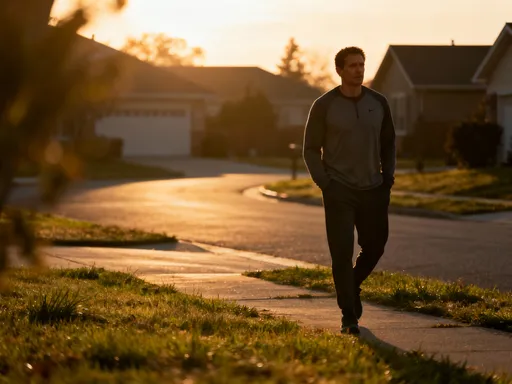
If exercise is a tool, then timing is the blueprint for how it’s used. The same activity can have different effects depending on when it’s performed. Morning movement, especially when paired with natural sunlight, is one of the most effective ways to anchor the circadian rhythm. Exposure to daylight in the early hours helps regulate the timing of melatonin release, ensuring it rises at the right time in the evening. A 20- to 30-minute walk outside after breakfast, even on a cloudy day, can strengthen this signal. For women with irregular schedules or those who work night shifts, morning light and movement are even more critical in maintaining a stable sleep-wake cycle.
Afternoon exercise, particularly between 4 p.m. and 7 p.m., also holds promise for sleep improvement. This window allows for a moderate to vigorous workout while still providing enough time for the body to cool down before bed. Research suggests that afternoon activity can reduce nighttime arousal and improve sleep continuity. It also offers a healthy outlet for accumulated stress, preventing tension from building up and interfering with relaxation at night. For those who feel too tired after work, even 15 minutes of movement—such as a brisk walk or a short cycling session—can make a difference.
Evening exercise requires more caution. While gentle activities like stretching, restorative yoga, or tai chi are generally safe and even beneficial before bed, high-intensity workouts should be avoided within three hours of sleep. This includes activities that elevate heart rate significantly, such as running, HIIT, or intense strength training. The body’s recovery process takes time, and pushing too hard too late can delay the transition into sleep. A better approach is to use the evening for winding down—focusing on low-impact, mindful movement that supports relaxation rather than stimulation.
Building Your Sleep-Focused Routine (Step by Step)
Starting a new exercise routine can feel overwhelming, especially when sleep is already compromised. The goal is not perfection, but progress. A structured, four-phase approach allows for gradual adaptation, reducing the risk of burnout and increasing the likelihood of long-term success. Phase one begins with daily walking—just 20 to 30 minutes at a comfortable pace. The focus is on consistency, not speed or distance. Walking outdoors is ideal, as it combines movement with natural light exposure, further supporting circadian regulation.
Phase two introduces light resistance training two to three times per week. This can include bodyweight exercises like squats, wall push-ups, or step-ups, or the use of light dumbbells or resistance bands. The aim is to build strength gradually without overexertion. For women with joint concerns or limited mobility, chair-based exercises or water aerobics offer excellent alternatives. The key is to listen to the body and adjust as needed—this is not about pushing limits, but about building resilience.
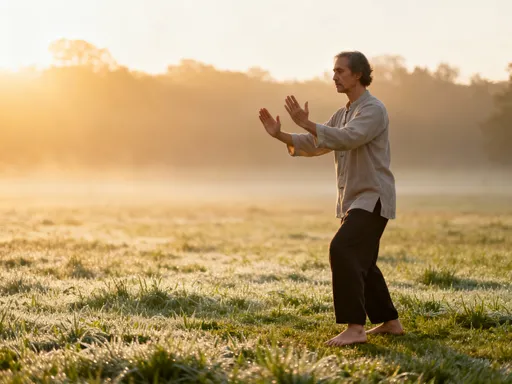
Phase three incorporates mindful movement practices such as tai chi, qigong, or gentle yoga. These forms of exercise emphasize breath, balance, and awareness, making them particularly effective for calming the nervous system. Studies have shown that regular tai chi practice improves sleep quality in older adults and reduces symptoms of insomnia. These sessions can be as short as 10 to 15 minutes and are especially beneficial in the evening, helping to transition from day to night.
Phase four is about fine-tuning. After four to six weeks, individuals can assess how their sleep has changed and adjust their routine accordingly. Some may find they benefit from longer walks, while others may prefer to increase resistance training frequency. The goal is personalization—creating a routine that fits seamlessly into daily life and supports long-term sleep health. Progress should be measured not by fitness milestones, but by improvements in sleep quality, energy levels, and overall well-being.
Beyond the Workout: Integrating Movement Into Daily Life
Formal exercise is important, but it’s only part of the picture. Non-exercise activity thermogenesis (NEAT)—the energy expended through everyday activities like standing, walking, or fidgeting—plays a significant role in overall health and sleep regulation. Many women spend long hours sitting—driving, working at a desk, or managing household tasks—without realizing how this sedentary behavior affects their ability to rest at night. Reducing sitting time and increasing light movement throughout the day can improve circulation, reduce muscle stiffness, and support better sleep.
Simple changes can make a big difference. Standing up every 30 to 60 minutes, taking phone calls while walking, using a standing desk, or doing light stretches during TV commercials all contribute to NEAT. Walking meetings, parking farther from store entrances, or doing a few squats while brushing teeth are small habits that add up. These micro-movements help regulate blood sugar, reduce fatigue, and keep the body primed for rest. Over time, they create a daytime rhythm that naturally leads to a calmer, more restful night.
Moreover, integrating movement into family life can make it more sustainable. Walking with a spouse after dinner, playing active games with grandchildren, or gardening together turns physical activity into shared moments of connection. This not only supports sleep but also enhances emotional well-being. The nervous system learns to associate movement with safety and calm, rather than stress and obligation—making it easier to relax when bedtime arrives.
Tracking Progress and Knowing What Success Looks Like
Change takes time, and sleep improvements from exercise typically emerge over 2 to 6 weeks. It’s important to set realistic expectations and track progress in meaningful ways. Success is not measured by sleeping eight hours every night, but by gradual improvements: falling asleep faster, waking up less frequently, feeling more refreshed in the morning, or having more stable energy throughout the day. These subtle shifts are signs that the body is recalibrating.
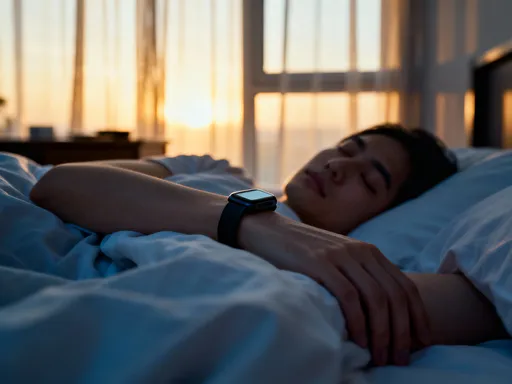
Keeping a sleep journal can help identify patterns. Recording bedtime, wake time, perceived sleep quality, and daily movement provides valuable insights. Wearable devices, such as fitness trackers, can offer data on sleep duration and restlessness, but should be used with caution—focusing too much on numbers can increase anxiety. A better approach is to combine objective data with subjective feedback: How do you feel? Are you more alert? Less irritable? These personal observations are often more telling than any metric.
If insomnia persists despite consistent effort, it’s important to consult a healthcare provider. Underlying conditions such as sleep apnea, restless legs syndrome, or hormonal imbalances may require specific treatment. Exercise is a powerful tool, but it’s not a substitute for medical care. A holistic approach—one that includes movement, sleep hygiene, stress management, and professional guidance when needed—offers the best chance for lasting improvement.
Exercise isn’t a quick fix, but a foundational shift in how we treat sleep health. By aligning movement with the body’s natural biology, we create conditions where rest can return—not forced, but earned. This approach doesn’t promise perfection, but progress grounded in science, sustainability, and self-awareness. For anyone tired of tossing and turning, the answer might not be in a pill—but in purposeful, daily motion.