Why I Finally Started Watching My Body’s Signals — And You Should Too
For years, I ignored the small signs my body sent — fatigue, mood shifts, restless sleep. I thought they were just part of being busy. But when I started paying attention, everything changed. Tracking my health didn’t mean obsessing over numbers — it meant understanding patterns, making smarter choices, and feeling more in control. This is how simple daily habits transformed the way I live, one honest check-in at a time.
The Wake-Up Call: When Ignoring My Body Backfired
There was a point in my life when I looked perfectly fine on the outside but felt constantly drained on the inside. I was managing a household, keeping up with family responsibilities, and staying active in my community. From the outside, I seemed to have it all together. But inside, I was running on fumes. I dismissed the fatigue as normal for someone my age. I blamed mood swings on stress. I accepted restless nights as just part of getting older. I didn’t connect the dots — not until I had what felt like a silent crash.
It wasn’t a dramatic illness or a hospital visit. It was more subtle — a constant heaviness, difficulty focusing, and a growing sense of disconnection from my own body. I realized I had been treating my body like a machine I could push without maintenance. The truth is, no symptoms do not necessarily mean good health. Many chronic conditions begin silently, showing only faint early warnings — a slight change in energy, digestion, or sleep — that most people overlook.
The turning point came during a routine doctor’s visit. My blood pressure was slightly elevated, and my cholesterol levels were creeping up. My doctor didn’t panic, but she asked thoughtful questions: How was I sleeping? What did my daily meals look like? Was I under constant stress? I couldn’t answer clearly because I hadn’t been paying attention. That moment was a wake-up call: I needed to start monitoring my health not when something went wrong, but before it did. I realized that guessing how I felt wasn’t enough — I needed to observe, track, and understand.
What Is Health Monitoring — And Why It’s Not Just for the Sick
Health monitoring is often misunderstood as something only necessary for people with diagnosed conditions. But in reality, it’s a proactive practice anyone can adopt — especially women in their 30s, 40s, and 50s who are often caregivers, multitaskers, and the emotional anchors of their families. At its core, health monitoring means regularly observing and recording aspects of your physical and mental well-being to detect patterns, identify triggers, and support long-term wellness.
This doesn’t require medical training or expensive equipment. It can be as simple as noticing how you feel after certain meals, tracking your sleep quality, or rating your energy levels each day. The goal isn’t to diagnose illness but to build awareness. Think of it like checking your car’s oil — you don’t wait for the engine to fail. You maintain it regularly to prevent breakdowns. Similarly, monitoring your body helps you catch small imbalances before they become larger issues.
Research supports this approach. Studies have shown that individuals who engage in self-monitoring of health behaviors — such as physical activity, diet, and sleep — are more likely to make sustainable improvements. This is partly because tracking increases mindfulness. When you write down how you feel, you become more attuned to your body’s rhythms. You begin to notice connections — for example, that eating late at night affects your sleep, or that skipping breakfast leads to afternoon fatigue. These insights empower you to make informed choices, not out of fear, but out of care.
Moreover, health monitoring shifts the focus from reactive to preventive care. Instead of waiting for symptoms to worsen, you’re equipped with real-time feedback. This doesn’t replace medical advice — it enhances it. When you go to your doctor with a record of your sleep patterns or energy fluctuations, you provide valuable context that can lead to more accurate assessments and personalized recommendations.
The Three Signals I Track Every Day (And Why They Matter)
After my wake-up call, I decided to start small. I didn’t want to overwhelm myself with data or complicated systems. Instead, I focused on three key signals that reflect overall well-being: energy levels, sleep quality, and mood or mental clarity. These are interconnected, and changes in one often affect the others. By tracking them daily, I gained insight into my body’s rhythms and learned how my lifestyle choices influenced how I felt.
First, I began rating my energy on a scale from 1 to 5 each evening. A 1 means I felt completely drained, struggling to stay awake, while a 5 means I felt vibrant and alert throughout the day. At first, I thought this would be subjective and unreliable. But over time, I noticed clear patterns. Days with higher energy often followed early dinners, light physical activity, and limited screen time after 8 p.m. On low-energy days, I usually skipped lunch, drank too much coffee, or stayed up late. This simple rating helped me see cause and effect in real life — not in theory, but in my own experience.
Second, I started tracking my sleep quality. I didn’t use an app at first — just a notebook. Each morning, I wrote down how long I slept, how many times I woke up, and how I felt upon waking. Did I feel rested? Groggy? Refreshed? After a few weeks, I noticed that even when I slept eight hours, I didn’t always feel restored. The quality of sleep mattered more than the quantity. For example, nights when I read a book before bed instead of scrolling on my phone led to deeper, more restful sleep. This insight prompted me to create a calming bedtime routine — dimming the lights, drinking herbal tea, and avoiding screens at least an hour before bed.
Third, I began paying attention to my mood and mental clarity. I used simple words to describe my emotional state: calm, irritable, focused, scattered, or balanced. I also noted whether I could concentrate at work or during conversations. Over time, I saw a strong connection between my mood and other factors. For instance, days with poor digestion often came with low mood. High sugar intake was linked to mental fog. Regular movement — even a 20-minute walk — consistently improved both my emotional state and focus. These observations weren’t about labeling feelings as good or bad, but about understanding their roots. This awareness allowed me to make small adjustments that had a big impact on my daily life.
How I Built a No-Stress Routine to Stay Consistent
One of my biggest fears when starting this journey was that tracking would become another source of stress. I didn’t want to add pressure to be perfect or spend hours analyzing data. So I designed a routine that was simple, sustainable, and integrated into my existing habits. The key was consistency, not complexity.
Every night, after brushing my teeth and before getting into bed, I spent five minutes with my journal. I answered three short questions: What was my energy level today? How was my sleep last night? How would I describe my mood and focus? That’s it. No charts, no apps, no calculations. Just a few honest sentences. I kept the journal on my nightstand so it was always within reach. This small ritual took less time than checking social media, yet it had a far greater impact on my well-being.
I linked this check-in to an existing habit — brushing my teeth — because research shows that habit stacking increases the likelihood of consistency. By attaching a new behavior to something already automatic, it becomes easier to remember and maintain. I also made a rule: no judgment. Some nights, I’d write “Energy: 2. Sleep: restless. Mood: overwhelmed.” Instead of criticizing myself, I simply acknowledged it. Progress, not perfection, was the goal. Some days I missed the entry, and that was okay. The next day, I just started again.
Over time, this routine became second nature. I didn’t have to force myself to do it. It felt less like a task and more like a moment of reflection — a way to honor how I was truly feeling. And because it was low-pressure, I was more likely to stick with it. This consistency, not intensity, is what led to real change. I wasn’t looking for dramatic transformations; I was building a foundation of awareness that could support long-term health.
What Changed After 30 Days of Real Tracking
After a month of consistent tracking, the changes were undeniable — not because I had followed a strict diet or intense workout plan, but because I had started making informed choices based on real data from my own body. My energy levels stabilized. I no longer experienced the mid-afternoon crashes that used to leave me reaching for sugary snacks. I felt more present in conversations, more patient with my family, and more capable of handling daily challenges.
Sleep improved significantly. I began falling asleep faster and waking up feeling more refreshed. By identifying habits that disrupted my rest — like late meals or screen exposure — I was able to adjust my routine without drastic restrictions. For example, I moved dinner earlier and replaced late-night TV with reading. These small shifts made a big difference in how I felt the next day.
Perhaps the most surprising change was in my mental clarity. I noticed I could focus better at work and remember details more easily. I also became more emotionally resilient. Instead of reacting impulsively to stress, I started recognizing early signs — tension in my shoulders, shallow breathing, or irritability — and responding with small calming practices, like deep breathing or a short walk outside.
Most importantly, I began to trust my body again. For years, I had ignored its signals, assuming they were just inconveniences to push through. Now, I saw them as valuable information. When I felt tired, I didn’t ignore it — I asked why. Was I dehydrated? Over-scheduled? Emotionally drained? This shift in mindset — from ignoring to listening — was transformative. It didn’t require expensive supplements or extreme lifestyle changes. It simply required attention, and that attention paid off in greater energy, better sleep, and a deeper sense of well-being.
Tools That Actually Help (And Ones I Ditched)
In the beginning, I experimented with different tools — fitness trackers, sleep apps, and habit-tracking software. Some were helpful, but many added more stress than value. I quickly learned that simplicity was key. The tools that worked best for me were the ones that supported awareness without demanding constant engagement.
Journaling with pen and paper remained my favorite method. It was private, flexible, and required no charging or updates. I could write freely, draw arrows, add notes — something I couldn’t do as easily on a screen. It also felt more personal, like a conversation with myself. Over time, I developed a system that worked: a small notebook with daily lines for energy, sleep, and mood. At the end of each week, I’d review my entries and look for patterns. This low-tech approach gave me more insight than any app ever did.
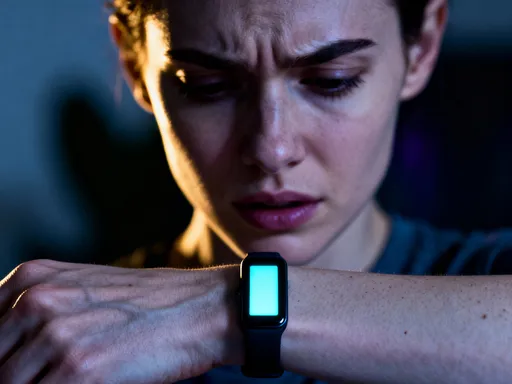
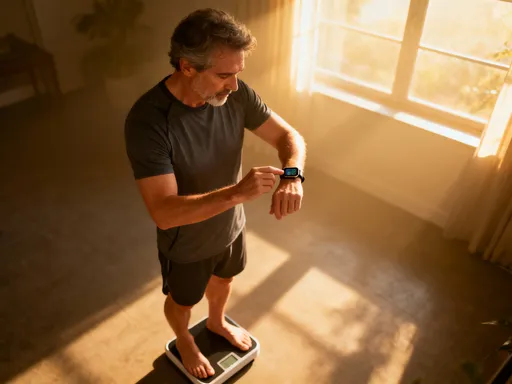
I did use a wearable fitness tracker, but I set boundaries. I looked at my step count and heart rate variability (HRV) occasionally, not obsessively. HRV, which measures the variation in time between heartbeats, is a marker of nervous system balance. I noticed that my HRV was higher on days when I slept well and managed stress — a sign of better recovery. But I didn’t let the numbers dictate my self-worth. If my steps were low one day, I didn’t panic. I reminded myself that rest is also part of health.
There were tools I eventually stopped using. One app sent daily reminders that felt like nagging. Another created elaborate charts I didn’t understand. I realized that if a tool made me feel guilty or anxious, it wasn’t serving me. The goal wasn’t to meet arbitrary goals but to understand my body. Sometimes, the most accurate data came not from a device, but from how I actually felt. I learned to trust my internal signals — my energy, my mood, my intuition — just as much as any number on a screen.
Making It Last: Turning Monitoring Into a Life Habit
What began as a temporary experiment has become a permanent part of my life. Health monitoring is no longer something I “do” — it’s something I live. Like brushing my teeth or locking the door at night, it’s automatic. I don’t think about it; I just do it. This consistency has deepened my relationship with my body and strengthened my ability to care for myself proactively.
One of the most valuable outcomes has been how I now engage with my healthcare providers. Instead of saying, “I feel tired sometimes,” I can say, “My energy has been consistently low on days when I sleep less than seven hours, and I’ve noticed it improves when I eat protein at breakfast.” This level of detail helps my doctor understand my patterns and offer more tailored advice. Monitoring hasn’t replaced professional care — it has enhanced it. I’m not self-diagnosing; I’m showing up informed and empowered.
Perhaps the greatest shift has been in self-trust. For years, I looked outside myself for answers — to diets, trends, or other people’s opinions. Now, I know that my body speaks clearly if I’m willing to listen. It doesn’t shout; it whispers. A slight fatigue, a change in appetite, a restless night — these are not nuisances to ignore, but messages to honor. By tuning in daily, I’ve learned to respond with kindness and wisdom. This practice isn’t about fear or fixing flaws. It’s about respect — for my body, my time, and my well-being.
Health monitoring isn’t about chasing perfection — it’s about presence. By tuning in daily, I’ve built a deeper relationship with my body and made lasting changes without drastic measures. It’s not about fear or fixing flaws, but about respect, awareness, and the quiet power of paying attention. This simple shift didn’t just improve my habits — it changed how I live.