Why Anti-Aging Efforts Backfire — And What Actually Works
You start eating clean, hit the gym, and load up on supplements, all chasing a younger-looking you. But what if some of those efforts are secretly aging you faster? I’ve been there — overwhelmed by trends, burning cash on products, and seeing zero real change. Turns out, without real health consciousness, even well-meaning habits can become anti-aging pitfalls. Let’s unpack what truly slows aging — and what’s just noise.
The Illusion of Quick Fixes
Aging is one of the most natural processes in life, yet modern culture treats it like a problem to be solved overnight. Many people believe that anti-aging means erasing wrinkles with a single serum, reversing time with a miracle diet, or achieving ageless skin through aggressive treatments. This mindset creates unrealistic expectations and fuels a multi-billion-dollar industry built on promises that often don’t deliver. The truth is, aging is influenced by decades of lifestyle choices, genetic expression, and environmental exposure — not by a 30-day detox or a viral skincare trend. When individuals chase quick results, they often adopt extreme habits that do more harm than good.
For example, some turn to aggressive chemical peels or invasive procedures at an early age, hoping to delay visible signs of aging. While these may offer temporary improvements, they can compromise the skin’s natural barrier, leading to increased sensitivity, dryness, and even accelerated aging over time. Others adopt juice cleanses or severely restrictive diets, depriving the body of essential nutrients needed for cellular repair. These approaches ignore the foundational biology of aging, which operates on a slow, cumulative timeline. Without understanding how oxidative stress, inflammation, and cellular turnover work, people fall into the trap of surface-level solutions that fail to address root causes.
The desire for immediate transformation also increases psychological stress, which ironically accelerates aging. When results don’t appear fast enough, frustration builds, leading to cycles of trying new products or routines every few weeks. This constant switching prevents any habit from taking hold long enough to make a difference. Moreover, the financial cost of chasing trends can be overwhelming, especially when expensive creams, devices, or programs promise results they cannot deliver. The real cost isn’t just monetary — it’s the erosion of trust in one’s own ability to age well.
Sustainable anti-aging begins with a shift in perspective: it’s not about fighting time, but about supporting the body’s natural resilience. This requires patience, consistency, and a deeper understanding of what aging actually is. Instead of asking “How can I look 10 years younger?” a more empowering question is “What can I do today to support my long-term health?” When the focus moves from appearance to vitality, the path forward becomes clearer and more grounded in reality.
Over-Reliance on Supplements and Serums
In the quest for youthful skin and lasting energy, many turn to supplements and topical serums as their primary anti-aging tools. While certain nutrients like vitamin D, omega-3 fatty acids, and antioxidants play important roles in cellular health, the assumption that more is better can be misleading. The market is flooded with anti-aging pills, gummies, and creams promising to boost collagen, fight free radicals, and extend youth. However, most of these products are not regulated like medications, and their claims are often based on limited or inconclusive research.
Some ingredients, such as resveratrol or CoQ10, have shown potential in laboratory studies, but their effectiveness in real-world human use remains uncertain. More concerning is the risk of overconsumption. Taking high doses of fat-soluble vitamins like A, D, E, and K can lead to toxicity over time, placing strain on the liver and other organs. Similarly, excessive intake of certain antioxidants may disrupt the body’s natural oxidative balance, potentially interfering with immune function and cellular signaling.
Topical serums, particularly those containing retinoids, peptides, or hyaluronic acid, can improve skin texture and hydration. However, no cream can compensate for poor internal health. A person who uses an expensive anti-aging serum but regularly skips sleep, eats processed foods, and lives under chronic stress will likely see minimal long-term benefits. The skin reflects what’s happening inside the body — inflammation, hormonal imbalances, and nutrient deficiencies all manifest visibly over time.
Rather than relying on external products alone, a more effective approach is to view supplements and skincare as supportive tools, not primary solutions. They should complement a foundation of whole foods, quality sleep, and stress management — not replace them. Before adding any supplement, it’s wise to consult a healthcare provider and consider blood work to identify actual deficiencies. When used thoughtfully and in moderation, these products can play a role, but they are not shortcuts to lasting youth.
Neglecting Internal Health for External Appearance
It’s easy to focus on the mirror — the fine lines, the dark circles, the changes in skin tone — and assume that skincare routines alone will make the difference. But true anti-aging begins far beneath the surface. The condition of your skin, hair, and overall appearance is deeply connected to internal systems: digestion, hormone regulation, immune function, and cellular repair. When these systems are out of balance, no amount of moisturizer or facial massage can fully correct the signs.
Chronic inflammation, for instance, is a major driver of aging. It can be triggered by poor diet, lack of movement, environmental toxins, and unresolved stress. Over time, low-grade inflammation damages tissues, accelerates collagen breakdown, and impairs the body’s ability to regenerate. Gut health is another critical factor. The microbiome influences everything from nutrient absorption to immune response and even mood regulation. An imbalanced gut can lead to bloating, fatigue, and skin issues like acne or rosacea — all of which contribute to an aged appearance.
Hormonal shifts, particularly during perimenopause and menopause, also play a significant role in how women experience aging. Declining estrogen levels affect skin elasticity, hydration, and thickness. But instead of addressing root causes through balanced nutrition, sleep, and stress reduction, many women focus solely on topical fixes. This is like polishing the exterior of a car while ignoring engine problems — the surface may look better temporarily, but the underlying performance continues to decline.
To truly slow aging, internal wellness must take priority. This means eating a diet rich in fiber, healthy fats, and phytonutrients; staying well-hydrated; and supporting liver function through natural detoxification pathways. It also means paying attention to energy levels, digestion, and emotional well-being as key indicators of health. When internal systems are functioning optimally, the external signs of aging naturally improve — not because time has been reversed, but because the body is being supported to age gracefully.
The Hidden Toll of Chronic Stress and Poor Sleep
One of the most powerful yet overlooked factors in aging is the combination of chronic stress and poor sleep. Both have a direct impact on cellular aging, particularly through their effect on telomeres — the protective caps at the ends of chromosomes that shorten as we age. Research has shown that individuals under prolonged stress or with disrupted sleep patterns tend to have shorter telomeres, a biological marker associated with accelerated aging and increased risk of age-related diseases.
When the body is under stress, it releases cortisol, the primary stress hormone. In short bursts, cortisol helps us respond to challenges. But when stress becomes constant — due to work pressure, caregiving responsibilities, financial worries, or emotional strain — cortisol levels remain elevated. This chronic state can lead to increased blood sugar, fat storage around the abdomen, reduced immune function, and impaired cognitive performance. It also disrupts the production of key hormones like melatonin, which regulates sleep.
Sleep is when the body performs its most critical repair work. During deep sleep, tissues are regenerated, memories are consolidated, and the brain clears out metabolic waste. Without sufficient restorative sleep, these processes are compromised. Dark circles, puffiness, and dull skin are common visible signs, but the deeper effects are far more significant. Poor sleep has been linked to insulin resistance, increased inflammation, and higher risks of cardiovascular issues — all of which contribute to premature aging.
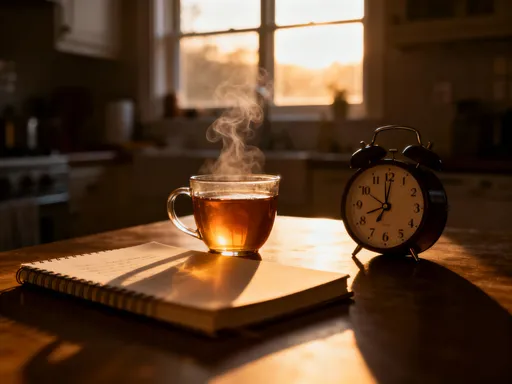
Despite this, many women sacrifice sleep to manage busy schedules, often prioritizing everyone else’s needs over their own rest. The belief that “I’ll sleep when I’m done” ignores the fact that sleep is not a luxury — it’s a biological necessity. Creating a consistent bedtime routine, reducing screen time before bed, and managing daily stress through mindfulness or gentle movement can have a profound impact on both how you feel and how you age. Protecting your sleep is one of the most powerful anti-aging actions you can take.
Misguided Exercise Habits That Do More Harm Than Good
Exercise is widely recognized as a cornerstone of healthy aging, and for good reason. It supports heart health, maintains muscle mass, improves mood, and enhances metabolic function. However, the type, intensity, and consistency of exercise matter greatly. Many people fall into the trap of believing that more is better — pushing themselves through intense daily workouts, often without adequate recovery. While high-intensity training can be beneficial in moderation, excessive or unbalanced exercise can increase oxidative stress and inflammation, counteracting its intended benefits.
When the body undergoes intense physical stress without sufficient rest, it produces free radicals — unstable molecules that can damage cells if not neutralized by antioxidants. Over time, this oxidative stress contributes to tissue aging and may accelerate the decline of organ function. Additionally, chronic overtraining can disrupt hormone balance, weaken the immune system, and lead to fatigue, joint pain, and sleep disturbances. For women over 40, in particular, excessive cardio without strength training can result in muscle loss, which naturally occurs with age and further slows metabolism.
On the other end of the spectrum, a sedentary lifestyle poses its own risks. Sitting for long periods, especially without regular movement, is associated with poor circulation, reduced insulin sensitivity, and increased visceral fat — all of which contribute to accelerated aging. The key is not extreme fitness, but sustainable, balanced movement that supports long-term vitality.
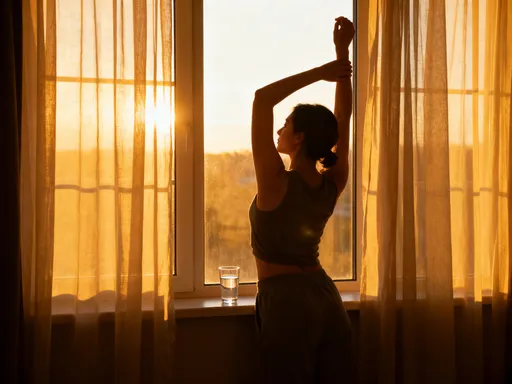
A more effective approach includes a mix of moderate aerobic activity, such as brisk walking or cycling, strength training to preserve muscle and bone density, and flexibility or mobility work like yoga or stretching. These forms of exercise, when practiced consistently and with attention to recovery, promote circulation, support joint health, and enhance overall resilience. The goal is not to achieve a certain look, but to maintain function, energy, and independence well into later years.
The Power of Health Consciousness Over Trend Chasing
In a world saturated with anti-aging marketing, the most powerful tool is not a product — it’s awareness. Health consciousness means understanding how your daily choices affect your body on a biological level. It’s about recognizing that every meal, every night of sleep, every moment of stress or calm contributes to how you age. This mindset shifts the focus from looking young to being healthy — and when health is prioritized, youthful appearance often follows naturally.
Chasing trends often leads to confusion and inconsistency. One month it’s collagen powders, the next it’s infrared saunas or intermittent fasting. While some of these practices may have merit, adopting them without understanding their purpose or relevance to your individual needs can lead to disappointment. Real anti-aging is not about hopping from one fad to the next, but about building a lifestyle that supports cellular health, hormonal balance, and emotional well-being.
Simple, evidence-based habits — such as eating whole, unprocessed foods, staying hydrated, moving your body daily, and cultivating moments of calm — are not glamorous, but they are profoundly effective. These choices reduce inflammation, support detoxification, and promote restorative sleep. Over time, they create a foundation of resilience that helps the body adapt to the natural changes of aging.
Health consciousness also involves listening to your body. It means noticing when you feel fatigued, when your digestion is off, or when your skin looks dull — not as failures, but as signals. These cues guide more intentional choices, whether that’s adjusting your diet, prioritizing rest, or seeking support when needed. When you approach aging with curiosity and care rather than fear and resistance, you reclaim power over your journey.
Building a Sustainable, Science-Backed Routine
Lasting anti-aging results come not from extremes, but from consistency. The most effective routines are simple, repeatable, and integrated into daily life. They don’t require perfection, expensive products, or hours of effort — just small, intentional choices made regularly. The goal is to create a lifestyle that supports long-term health, allowing you to age with strength, clarity, and vitality.
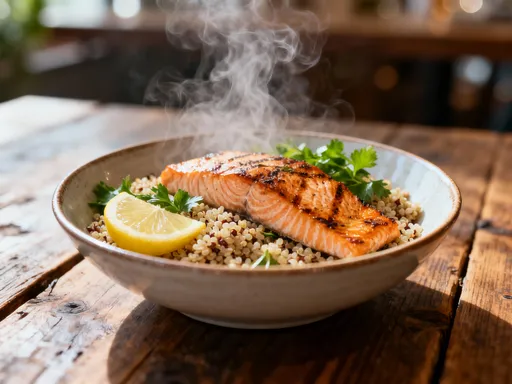
Start with sleep. Aim for 7–8 hours of quality rest each night by establishing a calming bedtime routine, avoiding screens in the evening, and keeping a consistent sleep schedule. Next, focus on nutrition. Choose whole foods — vegetables, fruits, lean proteins, healthy fats, and complex carbohydrates — and minimize processed foods, added sugars, and refined grains. Stay hydrated throughout the day, as even mild dehydration can affect energy, digestion, and skin health.
Movement should be enjoyable and sustainable. Incorporate daily walks, especially in natural light, which helps regulate circadian rhythms and boosts mood. Add strength training two to three times per week to maintain muscle and support metabolism. Include flexibility exercises to preserve joint mobility and prevent stiffness. Remember, the best exercise is the one you can stick with over time.
Stress management is equally important. Practice mindfulness, deep breathing, or journaling to create moments of calm. Set boundaries to protect your time and energy. Cultivate connections with loved ones, as social support is a powerful buffer against stress and a key factor in longevity. Finally, be patient with yourself. Aging is not a race or a flaw to be fixed — it’s a natural part of life. When health consciousness guides your choices, you’re not fighting time. You’re honoring your body, supporting its needs, and creating the conditions for graceful, vibrant aging.