Fat Wasn’t the Enemy—This Is How I Fixed My Health Without Giving Up Flavor
Living with constant fatigue, stubborn weight gain, and low energy used to be my normal. I tried every quick fix until I discovered a better way: not starvation, but a smarter relationship with food. This isn’t about extreme rules—it’s about real changes that last. Let me show you how shifting to a low-fat diet transformed my health naturally, without sacrificing taste or joy. It started with a wake-up call, deepened with understanding, and led to lasting results—not through deprivation, but through informed, sustainable choices that honored both my body and my love for good food.
The Wake-Up Call: When My Body Said “Enough”
For years, I believed I was eating well. My meals included what I thought were healthy choices—granola with yogurt, whole wheat toast with avocado, chicken salad with olive oil dressing. Yet, I felt constantly drained. Mornings were a struggle. By mid-afternoon, I needed a nap. My clothes fit tighter, not just around the waist, but in the arms and legs. I wasn’t gaining weight dramatically, but the slow creep over five years added up. I dismissed it as aging, stress, or motherhood fatigue. But deep down, I knew something was off.
The turning point came during a routine check-up. My doctor reviewed my blood work and paused. My cholesterol levels were elevated, particularly LDL—the so-called “bad” cholesterol. My triglycerides were also on the rise. While not yet in the danger zone, the trend was clear. I was developing early signs of metabolic imbalance. My blood pressure was slightly high, and my fasting glucose was edging toward prediabetes. I was shocked. I didn’t smoke, I walked regularly, and I avoided sugary drinks. How had I ended up here?
That’s when my doctor explained something I hadn’t fully grasped: not all fats are created equal, and even healthy-seeming fats, when consumed in excess, could contribute to long-term health risks. She didn’t blame fat entirely, but she emphasized that the type and amount of fat in my diet mattered more than I realized. My portion sizes, especially with oils and rich toppings, were larger than necessary. I was eating “healthy” fats, yes—but too much of them. That conversation was the wake-up call I needed. I didn’t need to eliminate fat, but I needed to rethink my relationship with it.
Low-Fat vs. Low-Quality: Clearing the Confusion
When I first heard “low-fat,” I imagined bland meals, cardboard-tasting snacks, and endless diet products filled with sugar to compensate. I avoided the term for years, fearing I’d lose flavor and satisfaction. But I’ve since learned that a low-fat approach isn’t about deprivation—it’s about choosing wisely. A true low-fat diet reduces unhealthy fats while preserving or even increasing the intake of beneficial ones. It’s not a war on all fat; it’s a shift toward balance and quality.
Fats fall into three main categories: saturated, trans, and unsaturated. Saturated fats are mostly found in animal products like fatty cuts of meat, full-fat dairy, butter, and some tropical oils like coconut and palm oil. While not inherently toxic, consuming them in excess has been linked to higher LDL cholesterol and increased cardiovascular risk. Trans fats, often found in processed foods like margarine, baked goods, and fried items, are the most harmful. They raise bad cholesterol and lower good cholesterol, increasing inflammation and heart disease risk. These are the fats to minimize or avoid entirely.
On the other hand, unsaturated fats—found in foods like olive oil, nuts, seeds, avocados, and fatty fish—are beneficial when consumed in moderation. They support heart health, brain function, and hormone regulation. The key is proportion. A low-fat diet doesn’t eliminate these; it simply ensures they don’t dominate the plate. For example, instead of drenching a salad in olive oil, a small drizzle or a citrus-based dressing can deliver flavor without excess fat.
Several myths cloud the conversation around fat. One common belief is that “fat-free” means healthy. But many fat-free products replace fat with added sugars, refined starches, or artificial ingredients, which can be worse for metabolic health. Another myth is that all plant oils are good. While many are, oils high in saturated fat—like coconut oil—should be used sparingly. Lastly, the idea that low-fat automatically leads to weight loss is misleading. Weight management depends on overall calorie balance, food quality, and lifestyle factors, not just fat content. Understanding these distinctions helped me make informed choices without fear or confusion.
Why Your Body Responds Better to Less Unhealthy Fat
Excess unhealthy fat doesn’t just sit in your bloodstream—it actively disrupts your body’s systems. When you consume too much saturated or trans fat, your liver has to work harder to process it. Over time, this can lead to fatty liver buildup, a condition that impairs liver function and contributes to insulin resistance. The liver plays a central role in metabolism, filtering toxins, producing bile, and regulating blood sugar. When it’s overloaded with fat, its efficiency declines, leading to fatigue, bloating, and sluggishness.
High intake of unhealthy fats also promotes chronic inflammation. Inflammation is a natural immune response, but when it becomes persistent, it damages tissues and increases the risk of heart disease, arthritis, and other conditions. Saturated and trans fats trigger inflammatory pathways in the body, while unsaturated fats, particularly omega-3s, have anti-inflammatory effects. By reducing the former and balancing the latter, I noticed a shift—not just in my energy, but in how my body felt day to day. My joints ached less, my skin looked clearer, and I felt lighter, both physically and mentally.
Another critical connection is between fat intake and insulin sensitivity. Insulin is the hormone that helps cells absorb glucose from the blood. When cells become resistant to insulin, blood sugar stays elevated, increasing the risk of type 2 diabetes. Research shows that diets high in saturated fat can impair insulin signaling, making it harder for the body to manage blood sugar effectively. By shifting to a diet lower in saturated fat and rich in fiber, lean protein, and whole grains, I supported my body’s natural ability to regulate glucose. My fasting glucose improved, and my energy levels became more stable—no more crashes after meals.
Scientific evidence supports these changes. A review published in the journal Circulation found that replacing saturated fats with unsaturated fats or whole grains was associated with a lower risk of cardiovascular disease. Another study from the Harvard T.H. Chan School of Public Health showed that even modest reductions in saturated fat intake led to improvements in LDL cholesterol and blood pressure. These findings weren’t about extreme diets—they were about sustainable shifts that added up over time. Knowing that my choices were backed by science gave me confidence that I was on the right path.
What I Actually Ate: My Real-Life Low-Fat Meal Framework
One of my biggest fears was that eating low-fat would mean sacrificing satisfaction. But I quickly learned that flavor and fullness don’t come from fat alone. My new eating pattern focused on balance: a plate built around vegetables, lean protein, whole grains, and just enough healthy fat to support nutrient absorption and satiety. I didn’t count every gram of fat, but I made mindful choices that kept my meals light, colorful, and nourishing.
Breakfast used to be a heavy affair—buttered toast with peanut butter or a breakfast burrito with cheese and sausage. Now, I start my day with options like steel-cut oats topped with fresh berries and a sprinkle of chia seeds. The fiber keeps me full, and the natural sweetness of fruit satisfies my cravings. On other days, I enjoy egg-white scrambles with spinach, mushrooms, and a dash of turmeric. I use a non-stick pan with a splash of water or broth instead of oil. Sometimes, I have plain Greek yogurt with a drizzle of honey and a handful of almonds—just a few, for healthy fat without overdoing it.
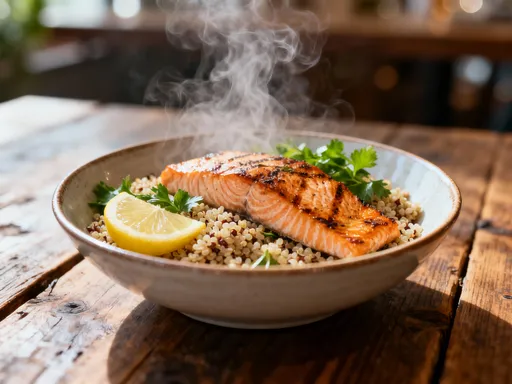
Lunch and dinner became opportunities to explore global flavors without heavy sauces. Grilled salmon with a lemon-herb marinade, served with quinoa and steamed broccoli, is a favorite. I also eat skinless chicken breast, baked with paprika and garlic, alongside roasted sweet potatoes and a side salad with a vinegar-based dressing. Legumes became a staple—lentil soup, black bean tacos with corn tortillas, and chickpea curries made with low-fat coconut milk or tomato broth. These meals are rich in protein and fiber, which help maintain energy and prevent overeating.
Snacks used to be my downfall—crackers with cheese, chips, or chocolate bars. Now, I keep it simple and satisfying. A banana with a tablespoon of almond butter, apple slices with low-fat cottage cheese, or air-popped popcorn seasoned with nutritional yeast and a pinch of salt are go-to options. Hummus with carrot and cucumber sticks provides crunch and flavor without excess fat. I also enjoy frozen grapes or a small bowl of mixed berries as a sweet treat. These choices keep me from feeling deprived while supporting my health goals.
Sneaky Fat Traps—And How I Avoided Them
One of the most eye-opening parts of my journey was discovering how much fat was hiding in foods I thought were healthy. Salad dressings, for example, can contain 10–14 grams of fat per two-tablespoon serving—mostly from oil. I used to pour it on generously, thinking I was eating clean. Now, I make my own dressing with lemon juice, Dijon mustard, a small amount of olive oil, and herbs. Or I use a splash of balsamic vinegar and a sprinkle of fresh basil.
Sauces and dips were another trap. Alfredo sauce, creamy soups, and cheese dips are often loaded with butter, cream, and full-fat dairy. I switched to tomato-based sauces, broth-based soups, and low-fat versions of my favorites. For example, I make a creamy tomato soup using blended roasted tomatoes, low-sodium vegetable broth, and a splash of low-fat milk. It’s rich and satisfying without the heavy fat content. I also discovered that Greek yogurt can replace sour cream in dips and baked potatoes—same tang, far less fat.
Processed snacks are designed to be addictive, often combining fat, sugar, and salt in ways that override fullness signals. Crackers, granola bars, and even “natural” snacks can contain hidden oils and added fats. I learned to read labels carefully, looking for “partially hydrogenated oils” (a source of trans fats) and high fat percentages. I now choose snacks with less than 3 grams of fat per serving when possible. Baked goods, even homemade ones, can be high in butter or shortening. I’ve adapted my recipes using applesauce, mashed banana, or yogurt to replace some of the fat, and I use whole wheat flour for added fiber.
Cooking methods made a big difference too. I used to sauté everything in oil, but now I rely on non-stick pans, baking, steaming, and grilling. When I do use oil, I measure it—one teaspoon instead of a free pour. I also use cooking sprays sparingly. These small changes added up, reducing my daily fat intake without making me feel restricted.
Flavor First: How I Kept Food Exciting Without Butter or Oil
Many people assume that removing fat means removing flavor. But I’ve learned that fat is just one of many ways to create delicious food. True flavor comes from layers—aromatics, acids, spices, and textures. By focusing on these elements, I’ve made meals that are vibrant, satisfying, and far from boring.
Herbs and spices became my best friends. Fresh basil, cilantro, rosemary, and thyme add brightness. Smoked paprika, cumin, turmeric, and garlic powder bring depth. I keep a well-stocked spice rack and experiment often. A simple grilled chicken breast becomes exciting with a rub of cumin, coriander, and lemon zest. Roasted vegetables shine with a sprinkle of oregano and a splash of balsamic.
Acids like lemon juice, lime juice, and vinegars—apple cider, red wine, rice wine—lift flavors and make dishes feel lighter. I use them in dressings, marinades, and even in soups. A squeeze of lemon over steamed fish or a drizzle of rice vinegar in a grain bowl can transform a meal. Garlic, onions, and shallots, sautéed briefly in broth, form the base of many of my dishes, adding richness without fat.
Umami—the savory fifth taste—helps food feel satisfying. I build umami with ingredients like mushrooms, sun-dried tomatoes, low-sodium soy sauce, miso paste, and nutritional yeast. A sprinkle of nutritional yeast on popcorn or into soups adds a cheesy flavor without the fat. Mushrooms, when roasted or sautéed, bring a meaty texture to plant-based meals. I also enjoy tomato-based stews and curries, which are naturally rich and hearty.
Marinating proteins is another way I add flavor without fat. A mixture of citrus juice, herbs, garlic, and a touch of low-sodium tamari can infuse chicken, fish, or tofu with deep flavor. I let it sit for at least 30 minutes, or overnight for stronger taste. These techniques have made my meals feel indulgent, even though they’re aligned with my health goals.
Beyond the Plate: Lifestyle Shifts That Boosted Results
Diet was the foundation, but I soon realized that true health comes from a holistic approach. I began pairing my new eating habits with regular movement. I started with daily 30-minute walks—sometimes around the neighborhood, sometimes in a local park. The rhythm of walking helped clear my mind and gave me time to reflect. Over time, I added light strength training twice a week, using resistance bands and bodyweight exercises. I focused on form and consistency, not intensity. These activities boosted my metabolism, improved my mood, and helped me sleep better.
Sleep became a priority. I used to stay up late, scrolling or watching TV, and wake up groggy. Now, I aim for seven to eight hours a night. I established a bedtime routine—dimming the lights, reading a book, and avoiding screens an hour before bed. Better sleep improved my energy, reduced cravings, and supported hormone balance. I also became more aware of stress. Chronic stress raises cortisol, which can increase appetite and promote fat storage, especially around the abdomen. I started practicing deep breathing, journaling, and short meditation sessions. These small habits helped me stay centered and less reactive to daily pressures.
Tracking progress was essential, but I shifted my focus from the scale to how I felt. The number on the scale did go down—about 15 pounds over six months—but more meaningful were the non-scale victories. My clothes fit better. I had more energy to play with my kids and keep up with household tasks. I no longer needed afternoon naps. My digestion improved—less bloating, more regularity. My follow-up blood work showed lower LDL cholesterol, improved triglycerides, and better fasting glucose. These tangible results reinforced my commitment.
Most importantly, I changed my mindset. This wasn’t a diet; it was a lifestyle. I didn’t aim for perfection. I allowed myself occasional treats—a slice of pizza at a family dinner, a small piece of dark chocolate. The key was consistency, not restriction. I learned to listen to my body, honor my hunger, and enjoy food without guilt. This balanced approach made the changes sustainable.
Conclusion: A Healthier Me, One Realistic Choice at a Time
Looking back, my journey wasn’t about drastic overhauls or punishing rules. It was about making small, informed choices that added up to real change. I no longer feel tired all the time. My digestion is better, my mind is clearer, and I have a renewed sense of confidence in my health. I’ve learned that fat isn’t the enemy—imbalance is. By reducing unhealthy fats and focusing on whole, nutrient-dense foods, I’ve found a way to eat well without sacrificing flavor or joy.
Balance, not perfection, is the goal. There will always be special occasions, busy days, and moments when convenience wins. But having a foundation of healthy habits makes it easier to get back on track. I encourage anyone considering a change to start with one small step—swap one high-fat item for a lighter alternative, read a food label, take a daily walk. Progress builds momentum.
Before making any dietary changes, it’s important to consult with a healthcare provider, especially if you have existing health conditions. Everyone’s body is different, and personalized guidance ensures safety and effectiveness. This journey taught me that lasting health isn’t about quick fixes—it’s about sustainable choices, self-compassion, and a commitment to feeling your best, one realistic decision at a time.